When you purchase through links on our site, we may earn an affiliate commission. How it works.
Quick Answer
- Serious lifters should consume 1.6 to 2.2 grams of protein per kilogram of body weight daily to maximize muscle protein synthesis and support hypertrophy.
- Distribute your protein intake across 4-6 meals/snacks, aiming for 20-40 grams per serving to optimize absorption and sustained muscle repair.
- Prioritize high-quality, complete protein sources like lean meats, eggs, dairy, and whey or casein supplements to ensure a full spectrum of essential amino acids.
For any serious lifter, the question of how much protein per day to build muscle isn’t just academic; it’s fundamental to consistent progress. You’ve hit the weights hard, pushed past plateaus, and meticulously tracked your sets and reps. But if your nutrition isn’t dialed in, specifically your protein intake, you’re leaving gains on the table.
This isn’t about vague recommendations or marketing hype. This guide delivers actionable, science-backed strategies for optimizing your daily protein intake. We’ll cut through the noise, providing you with precise figures, practical advice, and a breakdown of the best protein supplements to ensure you’re fueling your body for maximum hypertrophy. From understanding the science of muscle protein synthesis to selecting the right protein powder, this is your definitive resource for mastering your protein intake and unlocking your full potential in the gym. Stop guessing and start growing.
What to Look For in Protein Supplements for Optimal Gains
Choosing the right protein powder isn’t just about picking a flavor. For serious lifters, the quality, type, and purity of your protein supplement directly impact its effectiveness in supporting muscle growth and recovery. Don’t waste your money on subpar products when your gains are on the line. Here’s what you need to prioritize:
-
Protein Type:
-
Whey Protein Isolate: This is the gold standard for post-workout. It’s rapidly digested and absorbed, delivering a quick influx of amino acids to kickstart muscle protein synthesis (MPS). Isolates are typically 90%+ protein by weight, with minimal lactose, carbs, and fat, making them ideal for those sensitive to dairy or watching their macros closely.
-
Whey Protein Concentrate: A more economical option, concentrates range from 70-80% protein content. They contain slightly more lactose, fat, and carbs than isolates but still offer excellent amino acid profiles. Good for general daily use and can be slightly slower digesting than isolates.
-
Hydrolyzed Whey Protein: Pre-digested whey, meaning the proteins are broken down into smaller peptides. This makes it incredibly fast-absorbing, potentially even faster than isolate. It’s often more expensive and can have a slightly bitter taste but is excellent for rapid recovery, especially for those with sensitive digestive systems.
-
Casein Protein: A slow-digesting protein, ideal for sustained amino acid release, particularly overnight or during long periods without food. It forms a gel in the stomach, providing a steady drip of amino acids for hours, preventing muscle breakdown.
-
Plant-Based Protein Blends: For vegans or those avoiding dairy, blends of pea, rice, hemp, and other plant proteins are crucial. A blend ensures a complete amino acid profile, as individual plant proteins often lack one or more essential amino acids. Look for products that combine multiple sources to achieve completeness.
-
Amino Acid Profile & Leucine Content: The Branched-Chain Amino Acids (BCAAs), especially Leucine, are critical triggers for MPS. High-quality protein powders will naturally contain ample BCAAs. Aim for at least 2.5-3 grams of Leucine per serving to effectively stimulate muscle building.
-
Purity and Quality: Look for third-party certifications (e.g., Informed-Sport, NSF Certified for Sport) to ensure the product is free from banned substances and accurately labeled for protein content. This is paramount for athletes and competitive lifters. Avoid proprietary blends that don’t disclose exact ingredient amounts.
-
Digestibility and Mixability: A quality protein powder should mix easily with water or milk without clumping. Good digestibility means no bloating or stomach discomfort, allowing your body to efficiently utilize the protein.
-
Taste and Texture: While secondary to effectiveness, you’re more likely to consistently consume a supplement that tastes good. Read reviews for flavor profiles and mixability, as some protein types (like plant-based or hydrolyzed) can have distinct textures or aftertastes.
By focusing on these key factors, you ensure that your protein supplement is a powerful tool in your muscle-building arsenal, not just an expensive addition to your pantry.
Comparison Table: Top Protein Powders for Serious Lifters
| Product | Key Spec | Best Use Case | Price Range |
|---|---|---|---|
| Optimum Nutrition Gold Standard 100% Whey | Whey Isolate/Concentrate Blend | Post-workout, daily protein boost | $55–$75 |
| MuscleTech Nitro-Tech 100% Whey Gold | Whey Peptides/Isolate Blend | Rapid recovery, lean muscle building | $45–$65 |
| Garden of Life Sport Organic Plant-Based Protein | Organic Plant Blend (Pea, Rice, etc.) | Vegan athletes, dairy-sensitive, clean eating | $40–$55 |
| Dymatize ISO100 Hydrolyzed Protein Powder | Hydrolyzed Whey Isolate | Ultra-fast absorption, low carb/fat, digestive ease | $50–$65 |
Detailed Reviews: Top Protein Powders for Max Muscle Growth
Optimum Nutrition Gold Standard 100% Whey Protein Powder
Optimum Nutrition’s Gold Standard 100% Whey is a perennial bestseller for a reason: it consistently delivers a high-quality, effective protein blend that caters to a broad spectrum of lifters. This product leverages a blend of whey protein isolate, whey protein concentrate, and whey peptides, offering a balanced approach to protein delivery. Each serving typically provides 24 grams of protein, packing 5.5 grams of naturally occurring BCAAs, crucial for triggering muscle protein synthesis. Its rapid digestibility, primarily due to the isolate and peptide components, makes it an excellent choice for immediate post-workout recovery, ensuring your muscles get the amino acids they need quickly to begin the repair process. The extensive range of flavors and excellent mixability further cement its status as a go-to supplement for daily protein supplementation. It’s also relatively low in sugar and fat, making it suitable for those closely tracking their macros.
Verdict: The ultimate all-rounder for serious lifters seeking a high-quality, versatile, and trusted whey protein blend for consistent daily support.
Check Price on Amazon
MuscleTech Nitro-Tech 100% Whey Gold
MuscleTech Nitro-Tech 100% Whey Gold is engineered for those who demand more from their protein. This formula goes beyond a simple whey blend, focusing on delivering a potent combination of whey peptides and isolate, which are among the purest and most rapidly absorbed forms of protein available. Each scoop typically provides 24 grams of protein, alongside a robust 5.5 grams of BCAAs and 4 grams of glutamine and precursor, aiding in both muscle growth and recovery. The emphasis on whey peptides means ultra-fast digestion, ensuring that amino acids hit your bloodstream quickly to halt catabolism and initiate anabolism after intense training. This makes it particularly effective immediately following a gruelling session. MuscleTech also prides itself on using a superior cold microfiltration process to minimize fat, lactose, and impurities, resulting in a cleaner protein profile. For lifters pushing their limits, Nitro-Tech 100% Whey Gold provides the advanced support needed to accelerate recovery and drive lean muscle gains.
Verdict: An excellent choice for lifters prioritizing rapid amino acid delivery and enhanced recovery, especially after demanding workouts, thanks to its high peptide content.
Check Price on Amazon
Garden of Life Sport Organic Plant-Based Protein Powder
For the serious lifter committed to plant-based nutrition or those with dairy sensitivities, Garden of Life Sport Organic Plant-Based Protein Powder stands out as a premium choice. This isn’t just a basic pea protein; it’s a meticulously crafted blend of multiple organic plant proteins, including pea, sprouted brown rice, and chia seed, ensuring a complete amino acid profile vital for muscle protein synthesis. Each serving delivers 30 grams of clean, organic protein, along with 5.5 grams of naturally occurring BCAAs and 5 grams of glutamine, rivaling the anabolic potential of many whey proteins. What sets it apart is its commitment to clean ingredients: it’s USDA Organic, Non-GMO Project Verified, and NSF Certified for Sport, making it a trustworthy option for competitive athletes. Beyond protein, it often includes a blend of muscle-building ingredients like organic turmeric, tart cherry, and probiotics for enhanced recovery and digestive health. While plant proteins can sometimes have a distinct texture, Garden of Life has done an excellent job with mixability and flavor, offering a superior plant-based experience.
Verdict: The go-to premium plant-based protein powder for athletes and serious lifters seeking organic, clean, and complete nutrition without compromise.
Check Price on Amazon
Dymatize ISO100 Hydrolyzed Protein Powder
When purity, speed, and minimal macros are your top priorities, Dymatize ISO100 Hydrolyzed Protein Powder is the undisputed champion. This product is formulated with 100% hydrolyzed whey protein isolate, which means the protein has been pre-digested into smaller peptides. This process results in an incredibly fast-absorbing protein that delivers amino acids to your muscles almost immediately after consumption, making it ideal for the critical post-workout anabolic window. Each serving typically provides 25 grams of protein, with over 5.5 grams of BCAAs, including 2.7 grams of Leucine, the key trigger for muscle protein synthesis. What truly differentiates ISO100 is its incredibly lean profile: often less than 1 gram of carbohydrates and fat per serving, and virtually lactose-free. This makes it an exceptional choice for those on strict diets, during cutting phases, or individuals with lactose intolerance. The purity and rapid digestion also contribute to reduced bloating and digestive comfort, which is a significant advantage for many lifters.
Verdict: The ultimate choice for lifters seeking ultra-fast absorption, maximum purity, and minimal macros, especially during cutting cycles or for those with sensitive digestive systems.
Check Price on Amazon
How to Choose & Expert Tips: Maximizing Your Daily Protein Intake for Muscle Growth
Optimizing your daily protein intake goes beyond just hitting a number. It involves strategic timing, quality choices, and consistency. Implement these expert tips to ensure every gram of protein contributes effectively to your muscle-building goals.
1. How Do You Calculate Your Optimal Daily Protein Intake?
Forget generic advice; your protein needs are individual. For serious lifters aiming for hypertrophy, the scientific consensus points to a range of 1.6 to 2.2 grams of protein per kilogram of body weight per day.
To calculate this:
- Convert your weight to kilograms: If you weigh 180 pounds, divide by 2.2 = 81.8 kg.
- Multiply by the target range:
- Lower end: 81.8 kg * 1.6 g/kg = 130.88 grams of protein.
- Upper end: 81.8 kg * 2.2 g/kg = 179.96 grams of protein.
- Adjust based on activity and goals: If you’re in a caloric deficit, pushing extreme volumes, or are an advanced lifter, lean towards the higher end (2.0-2.2 g/kg). If you’re bulking with ample calories, the lower end (1.6-1.8 g/kg) might suffice. Don’t overcomplicate it; find a comfortable target within this range and stick to it.
2. Why Is Protein So Critical for Muscle Building?
Protein is not just a nutrient; it’s the fundamental building block of muscle tissue. When you lift weights, you create micro-tears in your muscle fibers. Protein, specifically its constituent amino acids, is then used to repair these tears, making the muscle fibers stronger and larger in a process called muscle protein synthesis (MPS). Without adequate protein, your body can’t efficiently repair and rebuild, leading to stalled progress, prolonged recovery, and even muscle loss.
Beyond direct muscle repair, protein also plays crucial roles in:
- Satiety: Helping you feel fuller for longer, which is vital for managing caloric intake, especially during cutting phases.
- Hormone Production: Supporting the synthesis of hormones essential for growth and recovery.
- Immune Function: Maintaining a robust immune system, critical for consistent training without illness setbacks.
A consistent, high protein intake ensures your body always has the raw materials needed to capitalize on every training session, driving continuous adaptation and growth.
3. What Are the Best Protein Sources Beyond Supplements?
While protein powders are convenient, whole food sources should form the bedrock of your daily protein intake. Prioritize these high-quality, complete protein options:
- Lean Meats: Chicken breast, turkey, lean beef (sirloin, flank steak), pork loin. These are packed with protein and essential micronutrients. A 4oz (113g) serving of chicken breast can provide around 30-35 grams of protein.
- Fish: Salmon, tuna, cod, tilapia. Excellent sources of protein, often with healthy fats (like omega-3s in salmon) that support overall health and reduce inflammation.
- Eggs: The ultimate bioavailable protein. Each large egg contains about 6 grams of protein, with a perfect amino acid profile. Don’t skip the yolk; it contains crucial vitamins and fats.
- Dairy: Greek yogurt, cottage cheese, milk. These offer both fast-digesting whey and slow-digesting casein protein, making them versatile for different times of the day. A cup of Greek yogurt can have 15-20 grams of protein.
- Legumes & Beans: Lentils, black beans, chickpeas. While not complete proteins on their own, when combined with grains like rice, they form a complete profile. Great for plant-based options.
- Nuts & Seeds: Almonds, peanuts, pumpkin seeds. These offer protein along with healthy fats and fiber.
Diversify your protein sources to ensure a broad spectrum of amino acids and micronutrients.
4. How Does Creatine Fit into Protein Intake for Muscle Growth?
Creatine and protein are synergistic, but they serve different, distinct roles. Protein provides the building blocks for muscle. Optimum Nutrition Micronized Creatine Powder, on the other hand, boosts your muscles’ capacity to produce energy (ATP) during high-intensity, short-duration activities like weightlifting. This means you can lift heavier, perform more reps, and recover faster between sets. More effective training leads to greater muscle damage, which then requires more protein for repair and growth.
- Creatine’s Role: Enhances strength, power, and muscle volume by increasing cellular hydration.
- Protein’s Role: Provides the raw materials for muscle repair and growth stimulated by that enhanced training.
They work hand-in-hand: Creatine allows you to train harder, and protein ensures those harder training sessions translate into actual muscle gains. Standard dosing for creatine is 3-5 grams per day, typically taken post-workout or at any consistent time.
5. What About Protein Timing and Distribution?
While the total daily protein intake is paramount, distributing your protein across several meals can optimize muscle protein synthesis. Aim for 4-6 meals or snacks throughout the day, each containing 20-40 grams of high-quality protein.
- Breakfast: Start your day with a solid protein hit (e.g., eggs, Greek yogurt, protein shake).
- Pre-workout: A smaller protein dose (e.g., 20g) 1-2 hours before training can prime your muscles.
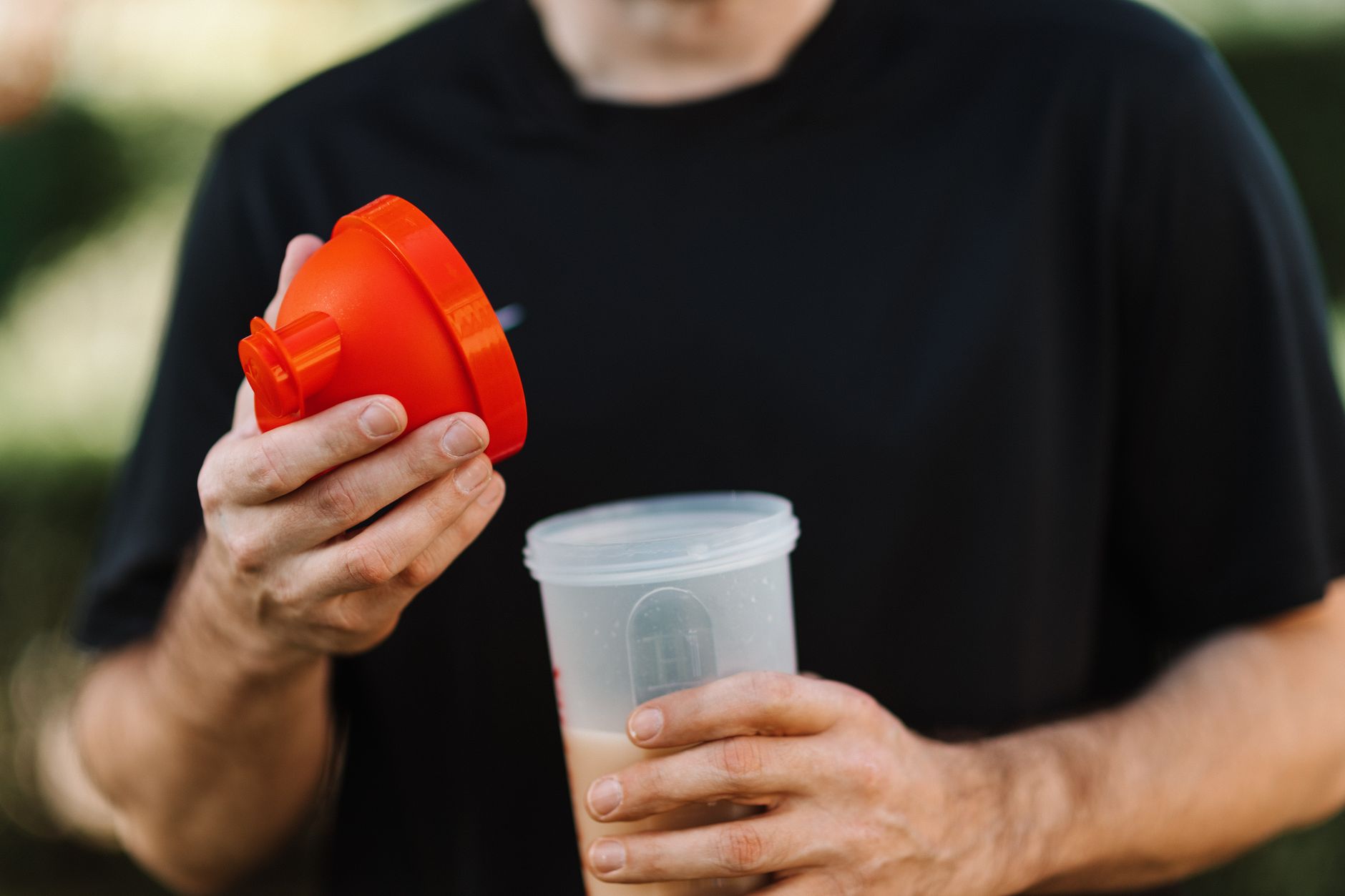
- Post-workout: This is a critical window. A fast-digesting protein like whey isolate (25-40g) is ideal within 30-60 minutes after training to kickstart recovery. Mix it effortlessly with a BlenderBottle Classic V2 Shaker Bottle for convenience.
- Throughout the Day: Include protein in your lunch, dinner, and any snacks to maintain a positive nitrogen balance.
- Before Bed: A slow-digesting protein like casein (or cottage cheese) before sleep can provide a sustained release of amino acids overnight, preventing muscle breakdown during fasting.
Consistent protein feeding throughout the day ensures your body is always in an anabolic state, ready to build and repair muscle.
FAQ: Your Protein Intake Questions Answered
Q1: Can I eat too much protein per day to build muscle?
A: While protein is crucial, consuming excessively high amounts beyond 2.2 g/kg body weight offers diminishing returns for muscle growth and isn’t necessary. For healthy individuals, typical “excess” protein isn’t harmful, but those calories could be better allocated to carbohydrates or fats to support energy demands and overall health. Focus on the optimal range before pushing extremes.
Q2: Is plant-based protein as effective as whey for building muscle?
A: Yes, plant-based protein can be just as effective as whey for building muscle, provided you consume a complete amino acid profile. This often means using a blend of different plant proteins (like pea and rice) or ensuring a varied diet. Products like Garden of Life Sport are specifically formulated to provide a complete and balanced amino acid spectrum.
Q3: How quickly should I consume protein after a workout?
A: The “anabolic window” isn’t as narrow as once believed, but consuming 20-40 grams of fast-digesting protein within 1-2 hours post-workout is still a smart strategy. This helps to quickly replenish amino acids and kickstart muscle protein synthesis, optimizing your recovery. Don’t stress if you miss the exact 30-minute mark, but aim for consistency.
Q4: Does protein powder replace whole food protein sources?
A: No, protein powder should supplement, not replace, whole food protein sources. Whole foods provide a broader spectrum of micronutrients, fiber, and other beneficial compounds not found in isolated protein powders. Use supplements to conveniently hit your daily protein targets, especially around workouts, but build your foundation on lean meats, eggs, and dairy.
Q5: What is the ideal protein distribution per meal?
A: Aim for 20-40 grams of high-quality protein per meal or snack. This range has been shown to effectively stimulate muscle protein synthesis in a single sitting. Spreading your total daily protein across 4-6 such servings ensures a consistent supply of amino acids throughout the day, maximizing anabolic signaling and minimizing muscle breakdown.
Conclusion
Mastering how much protein per day to build muscle is not a secret, but a fundamental principle often overlooked or misunderstood. By consistently consuming 1.6 to 2.2 grams of protein per kilogram of body weight, prioritizing high-quality sources, and distributing your intake strategically, you provide your body with the essential fuel to repair, rebuild, and grow stronger. This isn’t just about hitting a number; it’s about making every training session count and ensuring your nutrition supports your unwavering dedication in the gym. Equip yourself with the knowledge and the right supplements, like the top-tier protein powders reviewed, to turn your hard work into undeniable gains. Don’t leave your progress to chance—fuel your beast mode with precision.
Start building your muscle-optimized protein stash today on Amazon!
Where to Buy

💬 Join the Conversation
Have thoughts on this article? We'd love to hear from you.