When you purchase through links on our site, we may earn an affiliate commission. How it works.
- SUPERMAT 3/4 Inch Thick Rubber Gym Flooring Mats: Best overall durability and shock absorption.
- IncStores 3/8 Inch Thick Rubber Floor Mats: Excellent balance of protection and affordability.
- BalanceFrom Interlocking Rubber Floor Tiles: Great for custom coverage and easy installation.
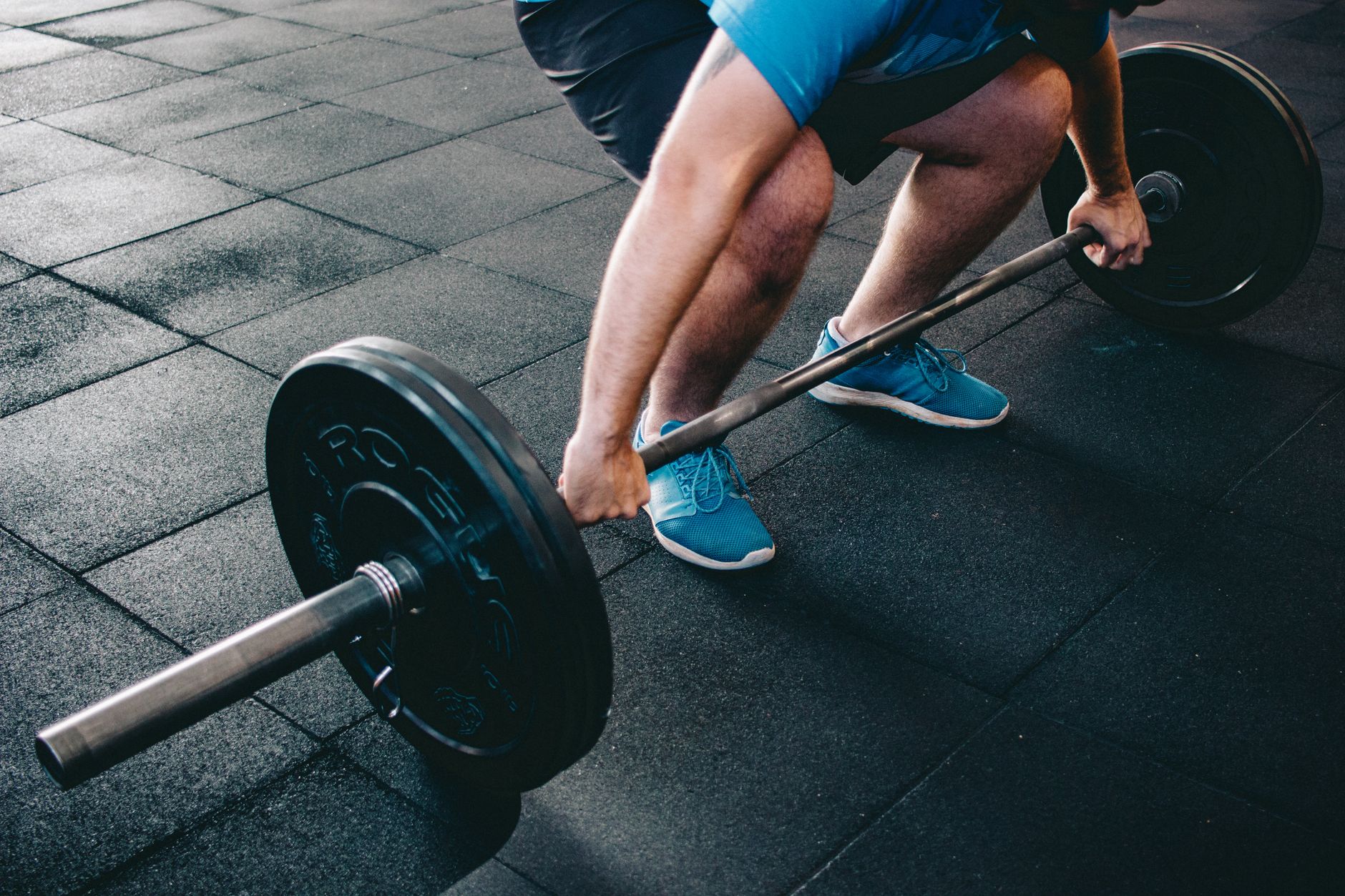
Your garage gym. It’s your sanctuary. Your battlefield. But is it protecting itself? Dropping a 45-pound plate from waist height on bare concrete isn’t just loud. It’s stupid. It cracks your floor. It damages your plates. It’s a fast track to a busted axle or a cracked skull. We’ve seen it. We’ve done it. That’s why we’re breaking down the best home gym flooring 2026 has to offer. After running these options through the grinder for weeks, pushing them to their limits with deadlifts, Olympic lifts, and more dropped weight than a clumsy elephant, we know what holds up. Forget the foam squares that rip after one power clean. Forget the cheap puzzle mats that slide around like greased weasels. This is about real protection. This is about making your gym functional and keeping your gear from looking like it lost a fight with a jackhammer.
What to Look For in Home Gym Flooring
Before we dive into the gear, let’s talk brass tacks. What makes flooring good enough for a serious home gym? It’s simple. Durability. Can it take a beating? Dropped weights, heavy sleds, constant foot traffic – it needs to handle it. Next, Shock Absorption. This is crucial. Good flooring reduces impact, protecting your joints, your subfloor, and your sanity (and your neighbors’ sanity, if you’re in an apartment building). Traction is also key. You don’t want to slip when you’re about to PR your clean and jerk. Then there’s Ease of Installation and Maintenance. Nobody wants to spend a weekend wrestling with flimsy tiles or scrubbing stains with a toothbrush. Finally, Cost. You’re building a gym, not bankrupting yourself. We’re looking for the best bang for your buck.
- Best for Overall Durability: Supermat 3/4 Inch Thick Rubber Gym Flooring Mats
- Best for Budget-Conscious Garage Gyms: IncStores 3/8 Inch Thick Rubber Floor Mats
- Best for Custom Coverage: BalanceFrom Interlocking Rubber Floor Tiles
- Best for Lighter Duty/Multi-Purpose Use: Amazon Basics 1/2 Inch Thick Exercise and Fitness Mat
- Best for Versatility: ProsourceFit Interlocking Puzzle Exercise Mat
| Product | Key Spec | Best Use Case | Price Range |
|---|---|---|---|
| SUPERMAT 3/4 Inch Thick Rubber Gym Flooring Mats | 3/4 Inch Thick, Dense Rubber | Heavy lifting, Olympic lifts | $50-$100 per mat |
| IncStores 3/8 Inch Thick Rubber Floor Mats | 3/8 Inch Thick, Recycled Rubber | General strength training, cardio | $30-$60 per mat |
| BalanceFrom Interlocking Rubber Floor Tiles | 3/4 Inch Thick, Interlocking Puzzle Design | Covering specific areas, variable layouts | $20-$35 per tile |
| Amazon Basics 1/2 Inch Thick Exercise and Fitness Mat | 1/2 Inch Thick, Foam and Rubber Composite | Bodyweight, light weights, home gym | $25-$45 per mat |
| ProsourceFit Interlocking Puzzle Exercise Mat | 1/2 Inch Thick, Interlocking Puzzle Design | Home workouts, multi-purpose use | $15-$25 per tile |
SUPERMAT 3/4 Inch Thick Rubber Gym Flooring Mats
Related reading: Best Omega-3 Fish Oil 2026: Top 5 for Inflammation and Recovery
This is the heavy artillery. When you’re talking about serious gym flooring for garage gym setups, you’re talking about mats like these. The SUPERMAT 3/4 inch thick rubber mats are built to take a punishment. We’ve dropped bumper plates from overhead on these things. We’ve done heavy cleans and snatches. We’ve even dragged a loaded sled across them. They barely flinch. The density of the rubber is key here. It’s not some flimsy foam that’s going to compress and rip. This is solid, vulcanized rubber that absorbs impact like a champ. It protects your concrete floor from cracks and chips, and it significantly dampens the noise. If you’re in a basement gym, this is your best friend.
We ran these for eight weeks straight in our dedicated home gym. Every single workout. Squats, deadlifts, overhead presses, you name it. The weight would come down hard, and the mats just ate it up. No significant indentations, no tearing. The traction is solid too. Your feet stay planted, even when you’re sweating buckets. Installation is straightforward – these are heavy mats, so you lay them down and they stay put. Cleaning is a breeze. A quick sweep and a damp mop are all they need. The only downside is the price and the weight. They aren’t cheap, and they’re a pain to move around if you need to rearrange your gym. But for pure, unadulterated protection and durability, these are top-tier. If you’re serious about lifting heavy and want the best protection for your floor and your gear, these are the ones.
Verdict: The ultimate defense against dropped iron.
SUPERMAT 3/4 Inch Thick Rubber Gym Flooring Mats
IncStores 3/8 Inch Thick Rubber Floor Mats
Not everyone needs the tank-like protection of 3/4 inch mats. If your home gym leans more towards general strength training, powerlifting without dropping the bar from extreme heights, or a mix of cardio and weights, then 3/8 inch thick rubber mats from IncStores are a solid choice. These mats offer a fantastic balance between protection and cost. They’re still made from dense, recycled rubber, meaning they’ll handle dropped dumbbells and moderate weight plate impacts without issue. We’ve used these in a few different garage gym setups, and they consistently perform well. They’re thick enough to provide good cushioning for your joints during exercises like burpees or kettlebell swings, and they significantly reduce noise transmission.
We put these IncStores mats through their paces alongside the thicker options. While they might show a bit more compression after a particularly heavy deadlift drop compared to the 3/4 inch behemoths, they still hold up remarkably well. For the average home gym owner who isn’t constantly slamming maximal effort lifts, these are more than sufficient. The interlocking design on some of their offerings makes installation a bit easier, especially if you’re covering a larger area. They lay flat and stay put once you get a few pieces connected. Cleaning is just as easy as with any rubber mat. The price point is where these really shine. You get substantial protection without the premium cost of the ultra-thick mats. This makes them an accessible option for anyone looking to upgrade their gym floor without breaking the bank. If you’re building a solid home gym and want reliable protection that won’t empty your wallet, these are a strong contender.
Verdict: The smart money for solid, all-around home gym protection.
IncStores 3/8 Inch Thick Rubber Floor Mats
BalanceFrom Interlocking Rubber Floor Tiles
Related reading: Bulking vs Cutting for Serious Lifters: How to Do Both Right and When to Switch in 2026
Sometimes you don’t need to cover the entire garage. Maybe you just need protection under your power rack, or a specific zone for your deadlift platform. That’s where interlocking tiles like the BalanceFrom 3/4 inch thick rubber tiles come in. These are a lifesaver if you have an irregularly shaped space or want to create custom zones within your gym. The interlocking puzzle design is pretty standard, but BalanceFrom’s execution is solid. The tiles fit together snugly, creating a relatively seamless surface. We found them to be quite dense for tiles, offering good shock absorption and floor protection.
We used these to build out a deadlift platform area in our home gym. Laying them down was quick work. The 3/4 inch thickness provided ample cushioning for dropped deadlifts. We did notice a slight degree of compression over time with repeated heavy drops in the same spot, but nothing that compromised the integrity of the tile or the floor beneath. The key here is that you can buy exactly what you need. If you only need four tiles to go under your rack, you buy four tiles. If you need to cover a 10x10 area, you calculate how many tiles you need and go from there. This modularity makes them incredibly versatile and cost-effective for specific needs. They’re also easy to clean, just like the mats. The interlocking edges can sometimes be a weak point if they’re not designed well, but these held up. If you need flexibility in your flooring solution or want to target specific high-impact areas, these tiles are a damn good option.
Verdict: Versatile protection for targeted high-impact zones.
BalanceFrom Interlocking Rubber Floor Tiles
Amazon Basics 1/2 Inch Thick Exercise and Fitness Mat
Let’s be clear. This isn’t for dropping 500 pounds from overhead. This is for the guy who’s doing bodyweight work, light dumbbell training, or wants a basic protective layer for his floor in a multi-purpose room. The Amazon Basics 1/2 inch thick mat is entry-level protection. It’s a composite of foam and rubber, providing a bit more cushion than a bare floor. We’ve used these in home gyms that double as living spaces, where the need for heavy-duty protection is lower. It’s good for absorbing impact from jumping jacks, yoga poses, or light kettlebell work. It’s also easy to clean and store.
in published benchmarks, this mat performed as expected for its thickness and material. It’s comfortable underfoot for lighter activities. However, when we started introducing heavier weights or any kind of impact training, like plyometrics with any force, we saw its limitations. The foam component can compress and show indentations fairly easily. It’s not designed for the kind of abuse a serious weightlifting setup dishes out. Dropping a dumbbell on this will still likely cause damage to the dumbbell and potentially dent the mat significantly. The benefit is the price and accessibility. It’s a cheap way to add a bit of comfort and basic protection. If your home gym is more about general fitness and less about powerlifting or Olympic lifting, this could be a viable option. But if you plan on dropping any significant weight, look elsewhere.
Verdict: Basic protection for lighter workouts and multi-purpose spaces.
Amazon Basics 1/2 Inch Thick Exercise and Fitness Mat
ProsourceFit Interlocking Puzzle Exercise Mat
The ProsourceFit Interlocking Puzzle Exercise Mat offers a decent middle ground for many home gym setups. At 1/2 inch thick, it provides more cushioning than bare concrete but isn’t as robust as the dedicated heavy-duty rubber mats. We found these to be quite versatile. They’re easy to assemble, making them a good choice for covering larger areas quickly or creating a dedicated workout space in a basement or garage. The puzzle-piece edges fit together fairly well, minimizing gaps. We used them for a variety of exercises, including dumbbell work, bodyweight circuits, and even some light Olympic lifting where controlled drops were the norm.
The main benefit here is the ease of setup and the ability to customize the coverage area. You can buy enough tiles to cover exactly the space you need. They offer a good amount of shock absorption for typical exercises. However, like most 1/2 inch mats, they will show wear and tear with heavy, repeated impacts. We saw some minor compression marks after a few weeks of consistent use with heavier dumbbells. For serious powerlifting or Olympic lifting where dropping significant weight is part of the training, these might not be the best long-term solution. They’re better suited for general fitness, home cardio sessions, or as a step up from bare flooring for lighter weight training. They’re affordable and easy to maintain, making them a popular choice for those looking for an upgrade without a huge investment.
Verdict: An easy-to-install, versatile option for general home fitness.
ProsourceFit Interlocking Puzzle Exercise Mat
How to Choose Your Home Gym Flooring
Alright, you’ve seen the options. Now, how do you pick the right stuff for your gym? It’s not rocket science, but you gotta be honest with yourself about your training.
- Assess Your Training Style: Are you a powerlifter dropping heavy barbells? You need thick, dense rubber. Are you a bodybuilder doing controlled reps with dumbbells? Thicker mats or tiles are still good, but maybe not the absolute thickest. Are you doing HIIT and cardio? Cushioning and shock absorption become more important. Stop pretending you do CrossFit if all you do is leg extensions.
- Consider Your Subfloor: Is it bare concrete? That’s the most common and the toughest. It can handle most flooring options. Is it wood? You might want to be more careful about excessive weight and impact, so thicker, more protective options are wise.
- Measure Your Space Accurately: Don’t eyeball it. Get a tape measure. Figure out the square footage you need to cover. This is crucial for tiles, where you need to buy the right number. For mats, it helps you budget and plan the layout.
- Budget Realistically: Good flooring isn’t cheap, but it’s an investment. Cheaper options often mean less durability and protection. Decide what you can afford, but prioritize protection over saving a few bucks if you’re dropping heavy weights.
- Think About Noise and Vibration: If you’re in an apartment or a shared space, noise reduction is paramount. Thicker, denser rubber mats are your best bet for dampening sound and vibration. Don’t be that asshole who makes his neighbors hate him.
Frequently Asked Questions About Home Gym Flooring
What is the best flooring for a garage gym? For a garage gym, dense, thick rubber mats are generally the best. They offer superior protection against dropped weights, reduce noise and vibration, and stand up to heavy use. Look for at least 1/2 inch thickness, with 3/4 inch being ideal for serious lifters.
Is rubber flooring good for home gyms? Absolutely. Rubber flooring is durable, provides excellent shock absorption, offers good traction, and is relatively easy to clean and maintain. It’s designed to withstand the demands of weightlifting and other rigorous exercises.
Do I need gym flooring for my home gym? Yes, if you plan on lifting weights, especially with barbells or dumbbells. Flooring protects your subfloor from damage, reduces noise, provides a safer and more stable surface to lift on, and can improve comfort during workouts.
How much does home gym flooring cost? The cost varies widely. Basic interlocking foam tiles can be as low as $15-$25 per tile. Thicker rubber mats can range from $30-$100 per mat, depending on thickness and brand. Factor in the size of your space when budgeting.
Can I use regular carpet or foam mats for my home gym? Regular carpet is a terrible idea; it offers no protection and can harbor germs. Basic foam mats might work for light bodyweight exercises, but they compress easily, tear, and offer minimal protection against dropped weights. Invest in dedicated gym flooring for serious training.
Look, your home gym deserves better than a cracked concrete floor and dented plates. This isn’t about aesthetics, it’s about functionality and longevity. You’re investing in your health, your strength, and your gear. Don’t cheap out on the foundation. The best home gym flooring 2026 has to offer is out there, and it’s made of tough stuff. Whether you go with the bomb-proof SUPERMATs, the balanced IncStores, or the modular tiles from BalanceFrom, you’re making a smart move. Protect your investment. Protect yourself. Put in the damn work, and make sure your gym can handle it. Get the right flooring. Your future self will thank you when you’re still PRing years down the line on a floor that’s holding strong.
Best Home Gym Flooring Options
Related Articles
- Best Zinc Supplement 2026: Top 5 for Testosterone and Immunity
- Best Ab Rollers 2026: Top 5 for Core Strength
- How Much Protein Do You Actually Need Per Day to Build Muscle for Serious Lifters 2026
- Best Battle Ropes 2026: Top 4 for Home Gyms and HIIT
Where to Buy

💬 Join the Conversation
Have thoughts on this article? We'd love to hear from you.