When you purchase through links on our site, we may earn an affiliate commission. How it works.
Quick Answer Box
- Denaturation Occurs: Heating whey protein causes it to denature, meaning its complex 3D structure unfolds. This is a physical change, not a destruction of amino acids.
- Nutritional Value Remains: The essential amino acids in whey protein are largely preserved, so its muscle-building capacity isn’t destroyed by cooking.
- Texture & Digestion Change: Cooked whey can become thick, rubbery, or gritty. Denatured protein may also be digested slightly differently, but it’s still protein.
Yes, you can cook whey protein. Heating it doesn’t destroy its muscle-building capacity or turn it toxic. The protein remains protein, despite bro-science claims otherwise. What changes is its structure, impacting how it behaves and feels. Understand these changes to properly hit your macros.
What Happens When You Cook Whey Protein?
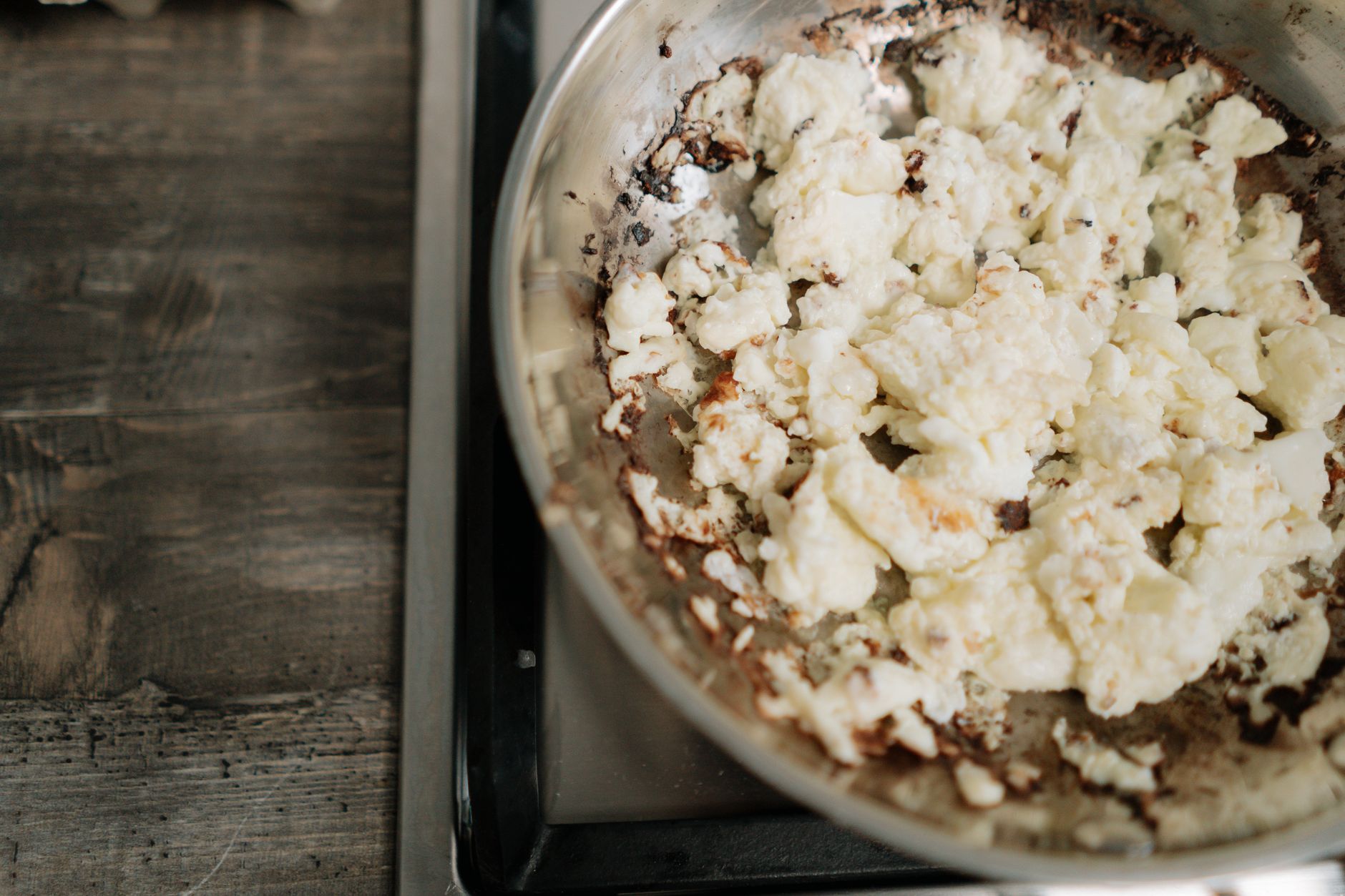
Heating whey protein initiates denaturation. This means the protein’s intricate, three-dimensional structure unravels. Imagine pulling apart a tangled ball of yarn; the strands loosen.
This process isn’t unique to whey. All proteins denature with heat. Cooking an egg turns liquid albumen solid; grilling steak changes muscle fiber texture. Denaturation is a natural part of cooking.
Crucially, denaturation doesn’t destroy amino acids. Protein’s building blocks remain intact. Your body still gets leucine, isoleucine, valine, and other essential amino acids for muscle repair and growth. The fundamental nutritional value, the macro you’re chasing, is still there.
Does Heating Reduce Whey Protein’s Effectiveness for Muscle Building?
Related reading: Best Omega-3 Fish Oil 2026: Top 5 for Inflammation and Recovery
Bullshit. Cooked protein isn’t “dead.” Your body breaks down all protein into amino acids, regardless of its original folded state. Denaturation can, in some cases, make proteins easier to digest because enzymes have more surface area to act on.
Subtle changes can occur. Studies suggest amino acid profiles remain, but absorption rates might alter slightly, and some minor bioactive compounds (immunoglobulins, lactoferrin) may diminish. For the average lifter chasing consistent gains, these minor changes are negligible in overall daily protein intake. Baking protein into a muffin doesn’t cost you muscle-building potential.
For us, the lifters, the real concern is texture and palatability. High heat can make denatured whey rubbery, gritty, or dry, especially in baked goods. This makes protein-packed creations less enjoyable, meaning you’re less likely to consistently hit your macros. That’s the real threat to your gains, not some imagined molecular destruction.
Practical Application: How to Cook with Whey Protein
Cooking with whey protein requires finesse to avoid a rubbery mess. Integrate it into your meals without sacrificing your sanity or your macros.
Choosing Your Whey
- Whey Protein Concentrate (WPC): Generally more forgiving in baked goods. It often contains more fats and carbs, which can help with moisture and texture. It’s also typically cheaper.
- Whey Protein Isolate (WPI): Higher in protein content and lower in fats/carbs. It can be trickier to cook with as it tends to dry out baked goods more quickly. Use less of it in recipes designed for flour, or compensate with extra moisture.
- Hydrolyzed Whey: This is pre-digested whey, broken down into smaller peptides. While it absorbs faster in shakes, it can react very differently to heat, sometimes leading to a bitter taste or extremely dry texture. We generally advise against cooking with hydrolyzed whey unless the recipe specifically calls for it and you’re feeling experimental.
Temperature and Time are Key
The longer and hotter you cook whey, the more pronounced the denaturation and potential textural issues will be.
- Baking: When baking, keep the oven temperature moderate (around 325-350°F or 160-175°C) and reduce baking time slightly if possible. Overbaking is the enemy of protein-rich goods.
- Stovetop/Microwave: For things like protein pancakes or mug cakes, cook on lower heat for longer, or in shorter bursts in the microwave, checking frequently.
Moisture is Your Friend
Whey protein absorbs a lot of liquid. If you’re swapping flour for protein powder, you’ll almost always need to increase the recipe’s liquid content.
- Add Extra Liquid: Milk, water, yogurt, applesauce, pumpkin puree – these can all help keep your cooked protein moist and palatable.
- Fats Help Too: A little healthy fat from nut butter, avocado, or coconut oil can also improve texture and prevent dryness.
Mixing Techniques
- Mix Well, But Don’t Overmix: Ensure the protein powder is fully incorporated to avoid dry pockets. However, overmixing can develop gluten-like strands in some protein-flour blends, leading to toughness.
- Add Last: Sometimes, adding the whey protein powder towards the end of your wet ingredients can help with dispersion and prevent clumping.
Examples of What Works
- Protein Pancakes/Waffles: A classic for a reason. Mix whey with eggs, milk, and a leavening agent. Cook on medium heat.
- Protein Muffins/Brownies: Replace 1/4 to 1/2 of the flour with whey protein powder. Adjust liquids.
- Oatmeal/Cream of Rice: Stirring whey into cooked, still-hot (but not boiling) oatmeal works well. Let it cool slightly before adding to prevent immediate clumping.
- Soups/Sauces: Stirring a scoop into a warm (not boiling) soup or sauce can boost protein, but be prepared for a thickening effect. Add slowly, whisking constantly.
Why Does Cooked Whey Get Rubbery or Dry?
Related reading: Bulking vs Cutting for Serious Lifters: How to Do Both Right and When to Switch in 2026
Denaturation explains why cooked whey gets rubbery or dry. As protein molecules unfold, they interact in new ways, forming a tighter, more rigid matrix. Imagine those tangled balls of yarn sticking together, forming a dense, chewy block.
In baking, insufficient moisture or fat prevents these interactions from being lubricated, keeping protein strands separated. The result is a dry, tough, or rubbery texture. This is especially true for isolates, which contain less fat and carbohydrates. This isn’t a sign the protein is “bad” or “destroyed,” only that its physical properties have changed.
What about a kitchen scale?
If you’re serious about macros and consistent cooking results, you need a decent Kitchen Scale. Eyeballing scoops is amateur hour. Weighing protein powder, flour, and other ingredients ensures accuracy. This isn’t just about hitting your numbers; it’s about replicating recipes successfully. Professional chefs don’t guess. Precision matters, especially when adjusting ratios for your diet.
FAQ
1. Is cooked whey protein harder to digest?
Not necessarily. Denaturation can make proteins easier to digest for some, as digestive enzymes have more exposed surface area. The amino acid profile remains intact; your body still gets the building blocks it needs.
2. Does cooking whey protein make it lose its muscle-building benefits?
No. Whey protein’s muscle-building benefits come from its amino acid profile, specifically its high BCAA content. These amino acids are stable under typical cooking temperatures and remain available for muscle repair and growth, even if the protein denatures.
3. Can I put whey protein in boiling water?
You can put whey protein in boiling water, but we don’t recommend it for optimal texture. High, rapid heat causes immediate, significant denaturation, leading to clumping, rubbery texture, or grittiness. Add whey to warm liquids, incorporate it into recipes before heating, or to liquids cooled slightly from boiling.
Conclusion
Don’t be afraid to cook whey protein. It won’t ruin your gains or turn your expensive powder into junk. The protein denatures, changing physical properties, but the essential amino acids for muscle growth remain. The real challenge is managing texture and preventing dryness. Use moderate heat, add sufficient moisture, and experiment with different whey types. Stop overthinking it, and start experimenting. Your macros won’t hit themselves. Get in the kitchen, put in the damn work, and make that protein count.
Related Articles
- Best Zinc Supplement 2026: Top 5 for Testosterone and Immunity
- Best Ab Rollers 2026: Top 5 for Core Strength
- How Much Protein Do You Actually Need Per Day to Build Muscle for Serious Lifters 2026
- Best Battle Ropes 2026: Top 4 for Home Gyms and HIIT
Where to Buy



💬 Join the Conversation
Have thoughts on this article? We'd love to hear from you.