When you purchase through links on our site, we may earn an affiliate commission. How it works.
Quick Answer Box
- Don’t Drop Them: Adjustable dumbbells are not designed for dropping. Their intricate mechanisms are highly susceptible to damage.
- Risk of Damage & Injury: Dropping can break selector pins, bend plates, compromise locking systems, and send plates flying, leading to potential injury.
- Handle with Care: Always control the weight through the entire movement and set them down gently to preserve equipment and ensure safety.
Introduction
Can you drop adjustable dumbbells? No. Attempting to drop adjustable dumbbells after a heavy set is a rookie mistake that will cost you. Unlike solid, fixed-weight dumbbells, adjustable models use complex internal mechanisms, pins, and locking systems not built for impact. Treat them as precision tools, not cheap iron. We’ve seen too many lifters wreck expensive home gym gear and risk injury by treating adjustable weights like traditional dumbbells. This isn’t about ego lifting; it’s about basic equipment longevity and safety. If you’re serious about your training and keeping your gear intact, understand the hard truth about dropping these weights.
Why It Works: The Engineering Reality
Related reading: 4-Day Upper Lower Split: The Complete Workout Plan for Strength & Size
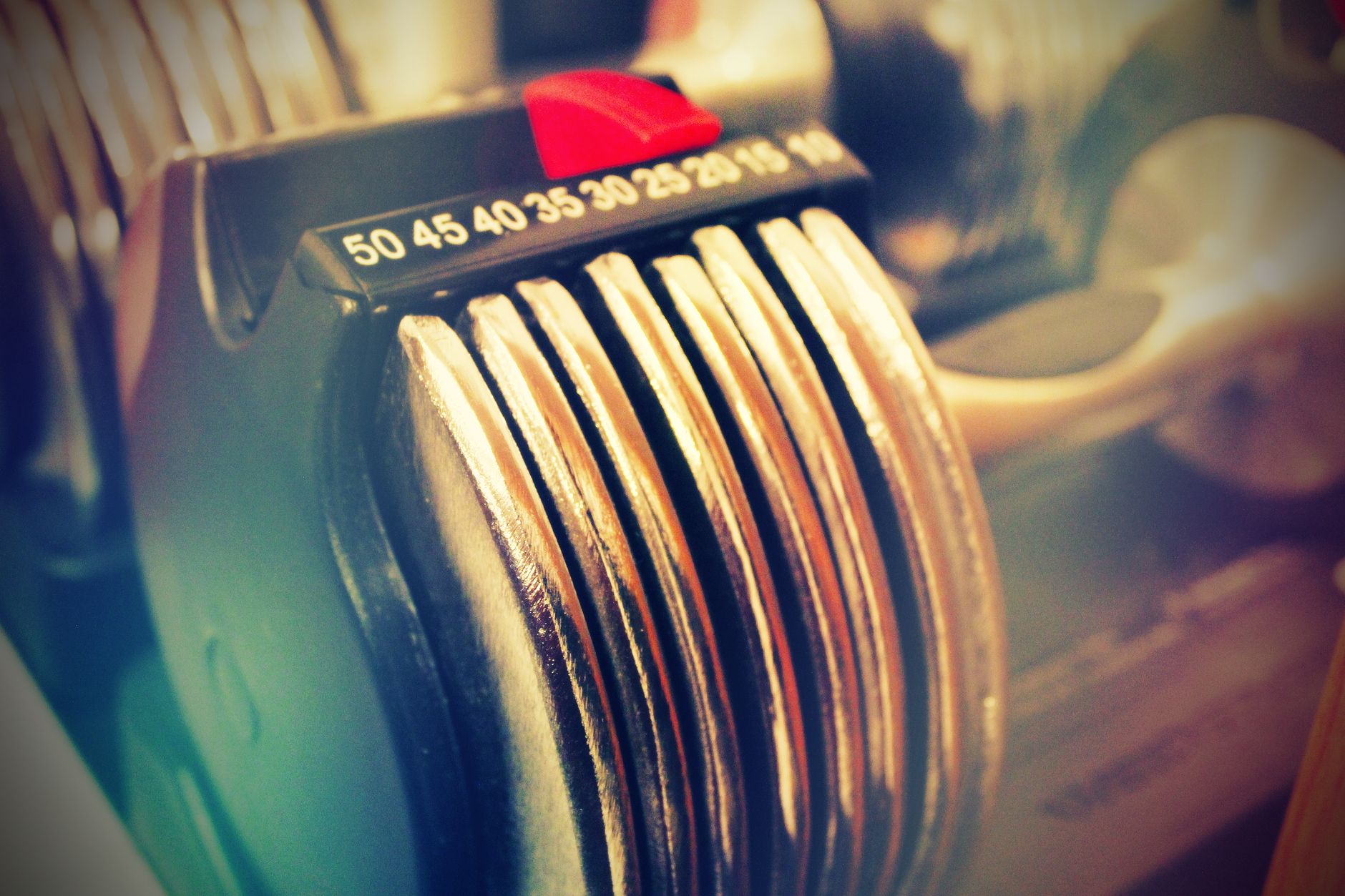
The principle is simple: physics and engineering. Adjustable dumbbells gain versatility through intricate selector mechanisms, locking pins, and multiple smaller plates, not a single solid cast. A fixed dumbbell distributes force through solid iron. An adjustable dumbbell transmits impact directly to the weakest links: plastic components, selector dials, internal springs, and interlocking plate systems.
Many adjustable dumbbells, including those from popular brands, use internal gears, pins, or locking collars to engage or disengage weight plates. These components often use durable plastics or lighter metals to manage cost and weight. An uncontrolled drop puts immense shearing and compressive forces on these delicate parts. It can bend selector pins, crack plastic housings, dislodge plates, or jam the adjustment mechanism. Once these internal parts are compromised, the dumbbell can become unbalanced, stuck, or, worse, fail to hold plates securely during a lift. This turns a workout into a trip to the emergency room. You might save a fraction of a second by dropping the weight, but you’ll pay for it in busted gear and potential medical bills.
The Technique: Handle Your Iron Like a Pro
Handling adjustable dumbbells requires control and respect for the equipment. This isn’t a program with sets and reps; it’s a mindset for every lift you perform with these weights.
- Controlled Descent: Every rep starts with a controlled lift and ends with a controlled descent. Guide the weight down with the same muscle control used to lift it.
- Placement, Not Drop: Finish a set by placing the dumbbells gently back on their cradles or the floor. Don’t release them from shoulder height.
- Full Range of Motion, Full Control: Focus on the eccentric (lowering) phase of your lifts. This builds strength and ensures you don’t rely on momentum to get the weight up, only to let it crash down.
- Listen to Your Body: If you’re so fatigued on the last rep that you must drop the weight, you’re either lifting too heavy or your form is breaking down. Lighten the load. Don’t trash your gear.
Progression: Smart Lifting for Smart Lifters
Related reading: Beginner Workout Plan: 3-Day Full-Body Program with 8-Week Progression
Progression with adjustable dumbbells means getting stronger, not getting more reckless.
- Master the Movement: Before adding weight, ensure you can perform the exercise with perfect form, controlling both concentric and eccentric phases.
- Small Increments: Adjustable dumbbells excel here. Use their incremental adjustments to add just 2.5 or 5 pounds at a time. This allows steady, manageable progress without jumping to weights you can’t safely handle.
- Rep Scheme Flexibility: Instead of always chasing higher weight, try increasing reps within a set. If you hit 8 clean reps, go for 9 or 10 next time with the same weight. Only increase weight when you consistently hit the top end of your rep range.
- Tempo Training: Slowing down your reps, especially the eccentric phase, increases time under tension and builds control. A 3-0-1-0 tempo (3 seconds lowering, 0 pause, 1 second lifting, 0 pause) will challenge you more with less weight and force control.
- Listen to the Click: When adjusting weights, ensure the selector mechanism clicks fully into place. Give it a gentle shake before lifting to confirm all plates are securely engaged. This is your final check before you commit to the lift.
Form Cues & Common Mistakes
Nailing your form with adjustable dumbbells is crucial, not just for gains, but for keeping your equipment in one piece.
What to Nail:
- Engage Your Core: A strong core stabilizes your entire body, allowing better control of the weights, especially during overhead presses or lunges.
- Controlled Eccentric: Control the lowering phase. Don’t let gravity do all the work. This is where muscle damage (the good kind) happens and where you prevent accidental drops.
- Use a Spotter for Max Efforts: If you’re pushing really heavy and fatigue might cause a loss of control, especially on presses, get a spotter. It’s better than a dumbbell to the face or busted equipment.
- Clear Your Space: Before picking up the weight, ensure your lifting area is clear of obstacles. No trip hazards, no kids, no pets. A clear space reduces the chance of an accidental drop.
Mistakes That Kill Progress (and Your Dumbbells):
- Ego Lifting: Trying to lift more weight than you can handle with perfect form invites an uncontrolled drop. There’s no shame in lifting lighter to maintain control. Your gains come from consistent, safe effort, not from showing off.
- Bouncing the Weights: Using momentum from a previous rep or bouncing weights off your chest/thighs at the bottom of a movement is poor form. It reduces muscle engagement and increases the risk of losing control.
- Ignoring the Clicks: If your adjustable dumbbell doesn’t audibly click into place, or if it feels loose, don’t lift it. Something is wrong. Re-seat the plates, check the mechanism. Ignoring this asks for plates to fall off mid-set.
- Dropping from Height: This is the cardinal sin. Whether from shoulder height after a press or from your hips after a row, dropping adjustable dumbbells from any significant height guarantees breakage. Most manufacturers explicitly state dropping voids the warranty. You’re on your own if you trash them.
- Improper Storage: Leaving adjustable dumbbells lying around haphazardly, especially where they can be tripped over or fall from a bench, leads to damage. Always return them to their designated cradles or a stable, flat surface.
FAQ
Can dropping adjustable dumbbells damage my floor? Yes. Even if the dumbbell survives, the impact can crack concrete, dent wood, or tear rubber flooring. Protect your home gym investment by placing weights down gently.
Will dropping adjustable dumbbells void the warranty? Yes, almost universally. Manufacturers design these for controlled use, not impact. Damage from dropping is misuse and won’t be covered under warranty, leaving you to pay for repairs or replacements.
Are there any adjustable dumbbells designed to be dropped? No. While some fixed-weight dumbbells are rubber-coated to absorb impact and protect floors, no adjustable dumbbell system is built to withstand repeated drops. Their intricate plate and locking mechanisms are inherently vulnerable to such forces.
Conclusion
The bottom line is simple: don’t drop your adjustable dumbbells. These aren’t old school iron plates you can clang and bang. They’re precision-engineered tools demanding respect and careful handling. Dropping them risks equipment damage, your safety, your wallet, and your training consistency. Put in the damn work. Control the weight through the full range of motion. Set it down with purpose. Protect your gear. Protect your gains. Commit to controlling every single rep, from lift-off to gentle set-down. Your adjustable dumbbells will last longer, and your body will get stronger.
Related Articles
- How Much Protein Do You Actually Need Per Day to Build Muscle for Serious Lifters 2026
- Bulking vs Cutting for Serious Lifters: How to Do Both Right and When to Switch in 2026
- How to Build a Push Day Workout for Serious Lifters: Exercises, Sets, & Reps (2026)
- HIIT vs Steady State Cardio: Which Burns More Fat and When to Use Each


💬 Join the Conversation
Have thoughts on this article? We'd love to hear from you.