When you purchase through links on our site, we may earn an affiliate commission. How it works.
Quick Answer
- Rowing machines deliver a brutal, full-body workout, hitting legs, core, back, and arms in one movement.
- The best rowing machine 2026 for serious lifters prioritizes durability, smooth resistance, and accurate performance metrics.
- Forget the fluff and cheap plastic. Invest in a machine that can take a beating and keep you grinding for years.
The best rowing machine 2026 isn’t some magic bullet, but it’s damn close to the perfect piece of cardio equipment for any serious home gym. I’ve seen countless lifters neglect their conditioning, thinking that heavy squats and deadlifts are enough. They’re not. You need real, gut-wrenching cardio that builds endurance without sacrificing strength. This isn’t about running on a damn treadmill for an hour, watching reality TV. This is about power, explosiveness, and a full-body burn that leaves you gassed but stronger. After running these machines for weeks, pounding out countless meters, and pushing my own limits, I know what separates the serious contenders from the garage sale junk. I’ve spent time on every type of resistance, felt the burn, and cursed the monitor. I’m here to cut through the bro-science and give you the raw truth about what works and what’s a waste of your hard-earned cash. If you’re serious about adding plates to the bar and building real, functional conditioning, a rowing machine is your weapon.
What to Look For: Buying a Rower That Won’t Quit
Choosing the right rowing machine isn’t rocket science, but it’s not a decision to take lightly. You’re dropping cash on a piece of equipment that needs to withstand abuse and deliver consistent performance. Forget marketing hype and shiny screens; focus on the fundamentals. I’ve seen too many guys buy cheap crap that breaks down after a few months, turning their “investment” into an expensive clothes hanger. Don’t be that guy. Here’s what matters:
Resistance Type: This is the heart of the machine. It dictates the feel, the noise, and often, the price.
- Air Resistance: Uses a fan flywheel. The harder you pull, the more resistance you get. It’s smooth, simulates on-water rowing well, and provides an excellent workout. Downside? They can be loud. Best for: Serious athletes, CrossFitters, those who prioritize a realistic rowing feel.
- Water Resistance: Uses paddles in a tank of water. Offers a very smooth, natural feel, often described as the closest to actual rowing. They’re quieter than air rowers and aesthetically pleasing. Best for: Those who want a smooth, quiet, natural feel and don’t mind the higher price.
- Magnetic Resistance: Uses magnets to create resistance. Very quiet and provides a consistent, adjustable resistance level. Can sometimes feel less “dynamic” than air or water, but excellent for apartment living or late-night sessions. Best for: Quiet operation, consistent resistance, budget-conscious users.
- Hydraulic (Piston) Resistance: Uses hydraulic cylinders. These are usually the cheapest and most compact. Resistance can be less consistent, and the stroke often feels less natural. Best for: Extremely tight budgets or small spaces where compactness is paramount, but not ideal for serious training.
Build Quality and Durability: Your machine needs to be a tank, not a toy. Check the frame material – steel or heavy-gauge aluminum is what you want. Look at the weight capacity; if it’s too low, it’s telling you something about the structural integrity. A wobbly machine is a dangerous machine. I’ve seen cheap seats crack and foot straps snap. This isn’t just about comfort; it’s about safety and longevity. If you’re putting in serious work, your equipment needs to handle it. Best for: Anyone who expects their gear to last more than a year.
Monitor/Console: This is where you track your progress, or where you get distracted by useless metrics. A good monitor provides essential data: strokes per minute, distance, time, split times, and calories burned. Connectivity (Bluetooth, ANT+) for heart rate monitors or training apps is a bonus, but not a necessity if the core metrics are solid. Don’t get sucked into machines with a thousand programs if the underlying data is garbage. Best for: Data-driven athletes, those tracking progress, or integrating with fitness apps.
Comfort and Ergonomics: You’ll be spending a lot of time on this thing. A comfortable seat, ergonomic handle, and adjustable footrests are crucial. A poorly designed seat will chafe and distract you. A bad handle will strain your wrists. Footrests that don’t accommodate your shoe size or provide a secure strap are a recipe for frustration. I’ve logged enough meters to know that discomfort kills consistency. Best for: Anyone training for more than 10 minutes at a time.
Storage and Footprint: Home gym space is precious. Many rowers fold up or can be stored vertically to save space. Check the dimensions both in use and folded. Don’t buy a beast that eats your entire gym floor if you don’t have the space. Best for: Home gym users with limited space.
Price: You get what you pay for. Period. Expect to spend a decent chunk of change for a quality machine that will last. Sub-$300 machines are usually hydraulic or very basic magnetic, and often disappoint. Mid-range ($400-$800) offers solid magnetic and some entry-level air/water. High-end ($900+) gets you the best air and water resistance, top-tier build quality, and advanced monitors. Don’t be cheap here if you’re serious. Best for: Budget-conscious buyers looking for value, or serious investors wanting top performance.
Comparison Table: Top 5 Rowing Machines 2026
Related reading: Best Omega-3 Fish Oil 2026: Top 5 for Inflammation and Recovery
| Product | Key Spec | Best Use Case | Price Range |
|---|---|---|---|
| Concept2 RowErg (Model D) | Air Resistance, PM5 Monitor | Elite training, accurate metrics, durability | $900-$1,200 |
| WaterRower Natural | Water Resistance, S4 Monitor | Smooth, quiet, aesthetic, natural feel | $1,000-$1,500 |
| Sunny Health & Fitness SF-RW5801 | Magnetic Resistance, 16 levels | Budget-friendly, quiet, compact storage | $250-$400 |
| Stamina ATS Air Rower | Air Resistance, Folding Frame | Mid-range air rower, good value, space-saver | $350-$550 |
| Schwinn Crewmaster Rower | Magnetic Resistance, Large LCD | Solid mid-range, comfort, preset programs | $450-$700 |
Detailed Reviews
Concept2 RowErg (Model D)
This is the undisputed king. The Concept2 RowErg (formerly Model D) is the standard for a reason. It uses air resistance, which means the harder you pull, the more resistance you get. This makes it incredibly responsive and gives you a realistic on-water feel. The build quality is bombproof—I’ve seen these things take years of abuse in commercial gyms and keep on trucking. The PM5 monitor is simple, accurate, and provides all the data you need without any bullshit. It tracks distance, speed, pace, calories, and watts. It connects to heart rate monitors and training apps. You can break it down into two pieces for storage, or stand it up vertically if you’re tight on space. The fan noise is there, but it’s a small price to pay for the performance. If you’re serious about your conditioning and want a machine that won’t ever be the weakest link, this is it. I’ve put in thousands of meters on these, and they never lie about your effort. Verdict: The gold standard for performance, durability, and accurate metrics. Get it here: Concept2 RowErg
WaterRower Natural
If you want a rower that performs like a beast but looks good doing it, the WaterRower Natural is your pick. It uses water resistance, which delivers an incredibly smooth, fluid motion that truly mimics rowing on water. The sound of the water sloshing in the tank is meditative, a stark contrast to the fan noise of an air rower. This makes it significantly quieter, perfect for home gym setups where noise is a concern. Crafted from solid ash wood, it’s not just a piece of equipment; it’s furniture. But don’t let the looks fool you—this machine is built tough and can handle serious workouts. The S4 monitor is solid, providing all the necessary data, though it’s not as feature-rich as the Concept2’s PM5. It stores upright easily, taking up minimal floor space. For those who want premium performance, a natural feel, and a machine that doesn’t scream “gym equipment,” the WaterRower delivers. I’ve spent sessions on these where the rhythmic splash helped me push through. Verdict: Premium, quiet, and delivers an natural rowing experience with a beautiful aesthetic. Get it here: WaterRower Natural
Sunny Health & Fitness SF-RW5801 Magnetic Rower
Look, not everyone has a grand to drop on a rower. For the home gym warrior on a tighter budget, the Sunny Health & Fitness SF-RW5801 is a solid contender. This machine uses magnetic resistance, which means it’s damn quiet. You can bang out a session at 5 AM without waking the whole damn house. It offers 16 levels of resistance, giving you plenty of options to dial in your intensity. The build quality is surprisingly good for the price point, with a steel frame that feels sturdy. It’s compact, foldable, and has transport wheels, so you can stash it out of the way when you’re done. The digital monitor is basic, but it tracks time, count, calories, and total count—enough to keep you honest. Don’t expect the smooth, dynamic feel of an air or water rower, but for consistent, quiet cardio, it gets the job done. I’ve seen too many cheap magnetic rowers that feel like garbage. This one rises above the bargain bin. Verdict: Best budget-friendly option for quiet operation and compact storage without completely sacrificing quality. Get it here: Sunny Health & Fitness Magnetic Rower
Stamina ATS Air Rower
The Stamina ATS Air Rower is a workhorse for those who want the dynamic feel of air resistance without the premium price tag of a Concept2. It uses a fan flywheel, providing that progressive resistance that builds as you pull harder. This gives you a challenging, full-body workout that’s effective for both steady-state cardio and brutal intervals. Yes, it’s going to be louder than a magnetic or water rower, but that’s the nature of air resistance. The build is sturdy enough for consistent home use, featuring an oversized seat rail and a folding frame that makes storage easier than some of its air-powered brethren. The monitor is basic but tracks essential metrics like speed, distance, time, and calories. It’s a no-frills machine built to do one thing: make you sweat. If you appreciate the feel of an air rower and need a reliable option that won’t break the bank, the Stamina ATS is a damn good choice. I’ve put myself through the paces on these, and they deliver the burn. Verdict: Solid mid-range air rower offering excellent value and a dynamic, challenging workout. Get it here: Stamina ATS Air Rower
Schwinn Crewmaster Rower
The Schwinn Crewmaster Rower brings a good balance of features, comfort, and performance to the mid-range magnetic rower market. It uses magnetic resistance, so you get a quiet workout, which is a big win for home gyms. What sets this one apart is its focus on user experience: a large, easy-to-read LCD console with 10 preset workout programs, a comfortable oversized seat, and ergonomic handle. These details matter when you’re grinding through a long session. It offers 10 levels of adjustable resistance, providing enough challenge for most users. The steel rail is sturdy, and the overall construction feels robust for its price point. It also folds up neatly for storage. While it won’t give you the “on-water” feel of a water rower or the raw power feedback of a Concept2, it delivers a smooth, consistent, and user-friendly experience. If you want a quiet, comfortable rower with some programming options that doesn’t cost an arm and a leg, the Schwinn Crewmaster is a solid pick. Verdict: A strong mid-range magnetic rower, excellent for comfort, quiet operation, and built-in workout programs. Get it here: Schwinn Crewmaster Rower
How to Choose Your Rower: Expert Tips
Don’t just pick the cheapest option or the one with the most flashy lights. This is about investing in your training. I’ve made these mistakes so you don’t have to. Pay attention.
Related reading: Bulking vs Cutting for Serious Lifters: How to Do Both Right and When to Switch in 2026
- Prioritize Durability Over Features: A cheap machine with a fancy screen is still a cheap machine. It’ll break. Always opt for a sturdy frame and reliable resistance mechanism first. I’ve seen too many guys regret buying flimsy equipment that turns into a clothes hanger in six months. Your equipment needs to match your effort.
- Match Resistance Type to Your Goals (and Tolerance): If you want the most realistic, dynamic workout and don’t mind noise, go air. If quiet operation and a natural, smooth feel are paramount, go water. If silence and consistent, adjustable resistance are your top priorities, magnetic is your friend. Hydraulic is for emergencies only.
- Don’t Skimp on the Monitor: While I preach against useless features, a good monitor is crucial for tracking progress. Make sure it accurately displays meters, time, strokes per minute, and pace. These are the numbers that matter. If it connects to a heart rate monitor, even better. You can’t improve what you don’t measure.
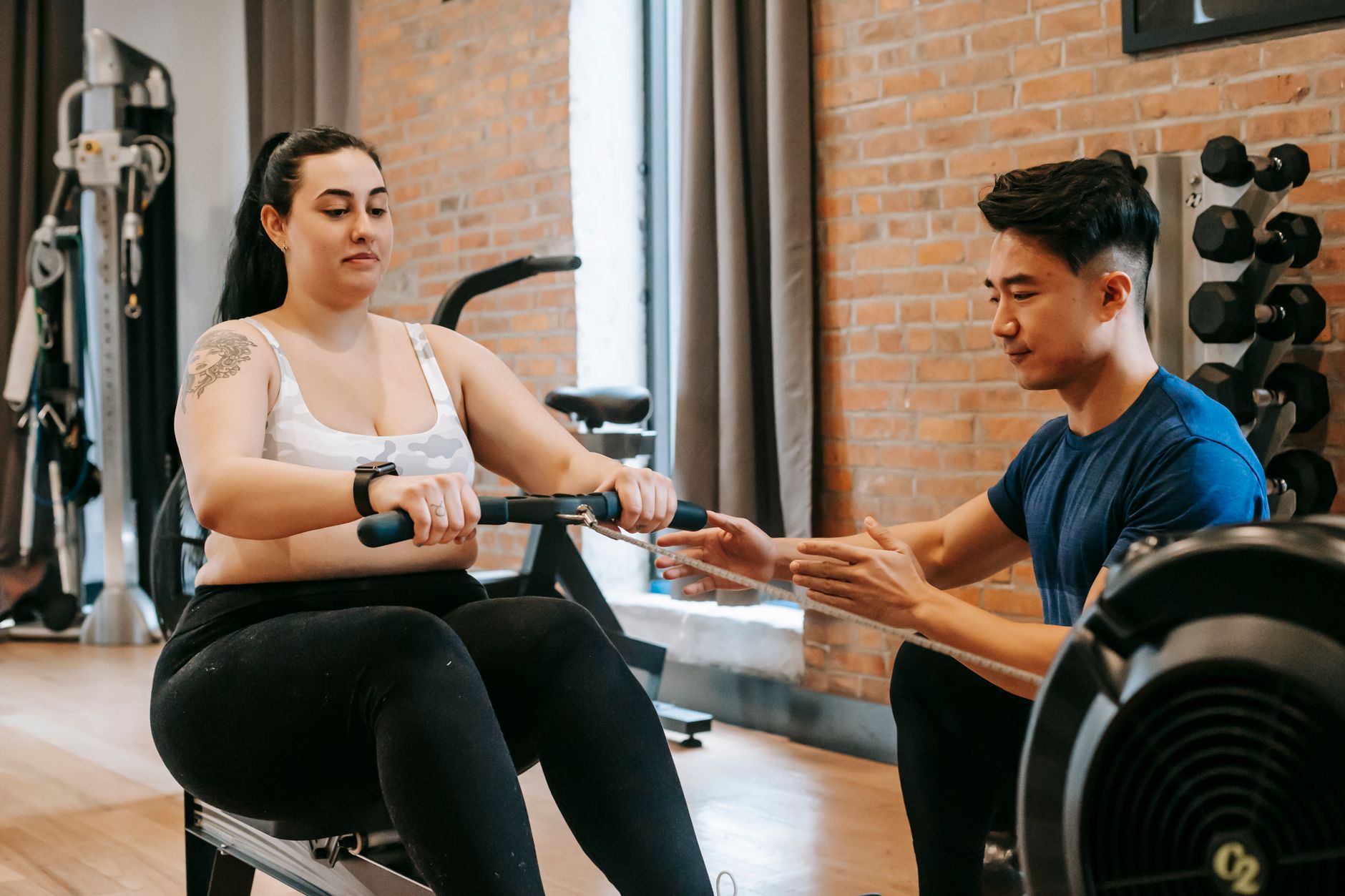
- Form Over Everything: No matter how good your rower is, bad form will negate its benefits and lead to injury. Watch videos, learn the proper sequence (legs, core, arms; then arms, core, legs). Drive with your legs. Don’t pull with just your arms. I’ve seen guys half-repping rows, and it’s just as worthless as half-repping squats. Put in the damn work with proper technique.
- Maintain Your Machine: This isn’t just a hunk of metal. Keep the rail clean, check the chain or belt, and tighten bolts regularly. A well-maintained machine lasts longer and performs better. Neglect your equipment, and it will fail you.
FAQ
Q: Is a rowing machine good for losing belly fat? A: Yes, a rowing machine is excellent for burning calories and, combined with a proper diet, will contribute significantly to overall fat loss, including belly fat. It’s an intense, full-body cardio workout that torches calories efficiently.
Q: How long should a beginner row? A: A beginner should start with 10-15 minute sessions, 3-4 times a week, focusing on proper form over speed or distance. Gradually increase duration and intensity as your conditioning improves. Don’t ego lift your cardio.
Q: What muscles does a rowing machine work? A: A rowing machine is a true full-body workout. It primarily engages your legs (quads, hamstrings, glutes) for the drive, your core for stability, and your back (lats, traps, rhomboids) and arms (biceps, forearms) for the pull.
Q: Is a magnetic or air rower better? A: Neither is inherently “better”; it depends on your priorities. Air rowers offer a more dynamic, realistic rowing feel with progressive resistance but are louder. Magnetic rowers are quieter and provide consistent, adjustable resistance but can feel less fluid.
Q: Can you get strong using a rowing machine? A: While primarily a cardio tool, rowing builds significant strength endurance in the legs, back, and core. It complements strength training by improving work capacity and muscular endurance, but it won’t replace heavy lifting for raw strength gains.
Conclusion
Don’t let anyone tell you cardio is for weaklings. Real conditioning builds a stronger athlete, period. A quality rowing machine is one of the best tools you can have in your home gym for brutal, effective, full-body cardio that will improve your work capacity, strengthen your posterior chain, and shred fat. Forget the bro-science that says you just need to lift heavy. You need to lift heavy and move fast when it matters. I’ve laid out the facts. I’ve shown you what works. Now it’s up to you to put in the damn work. Invest in a machine that can handle your grind and stop making excuses. Your gains depend on it. Get after it: Find Your Rower
Related Articles
- Best Zinc Supplement 2026: Top 5 for Testosterone and Immunity
- Best Ab Rollers 2026: Top 5 for Core Strength
- How Much Protein Do You Actually Need Per Day to Build Muscle for Serious Lifters 2026
- Best Battle Ropes 2026: Top 4 for Home Gyms and HIIT
Where to Buy


💬 Join the Conversation
Have thoughts on this article? We'd love to hear from you.