When you purchase through links on our site, we may earn an affiliate commission. How it works.
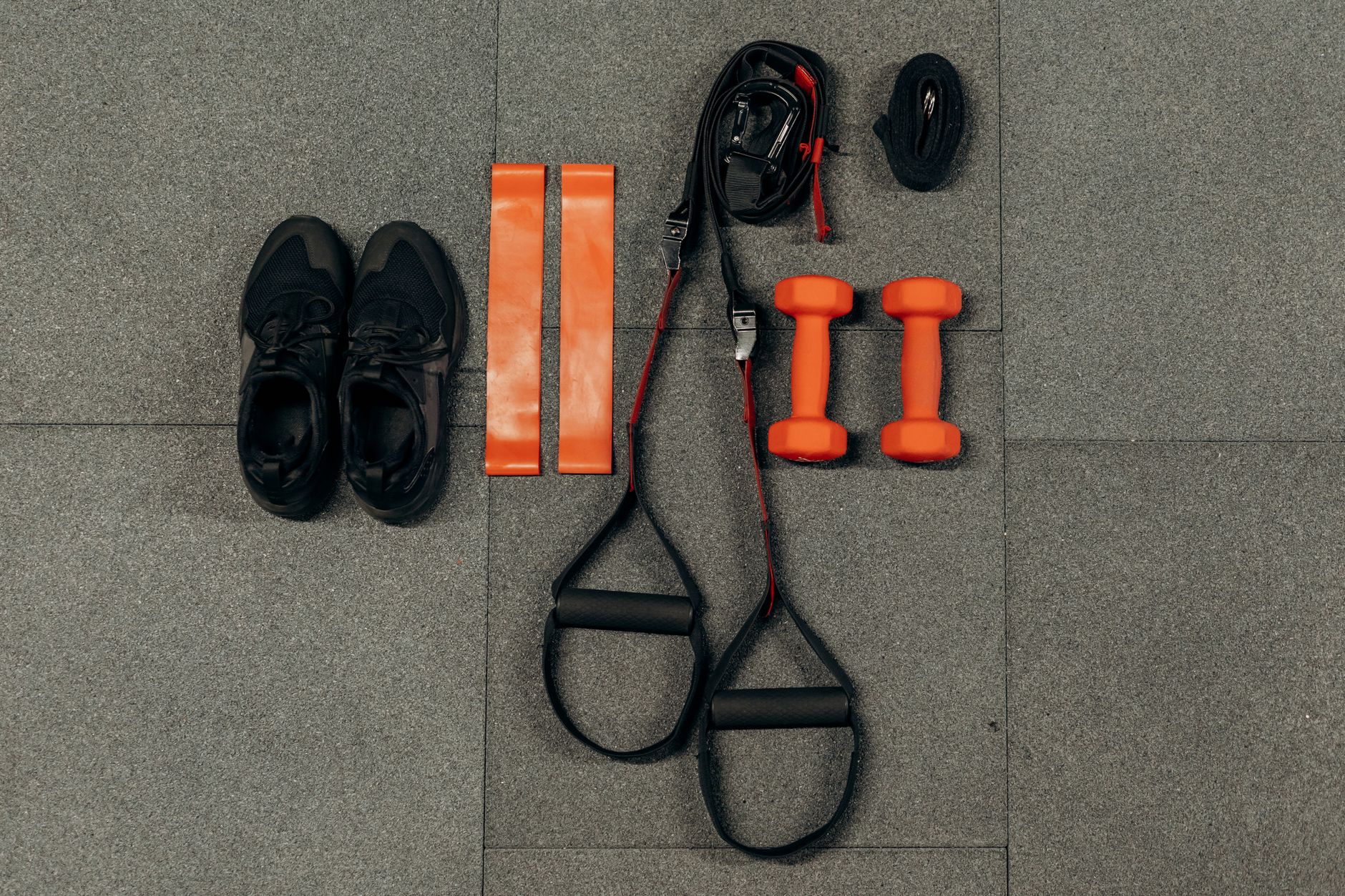
Can you use resistance bands instead of weights? This is the question that plagues every home gym bro with limited space or a tight budget. The quick answer is yes, you can. But the follow-up question, the one nobody wants to admit, is: can you use resistance bands instead of weights and get results as good as iron? The brutal truth is, for most serious goals – maximal strength, significant hypertrophy – the answer is a hard no. Most of the online noise about bands replacing barbells is pure, unadulterated bro-science or wishful thinking peddled by supplement companies and gear manufacturers trying to sell you their next magic bullet. We’ve spent enough time under the bar, and enough time experimenting with every damn piece of equipment under the sun, to know what works and what’s just a gimmick. If you’re serious about adding plates, you need to understand the limitations.
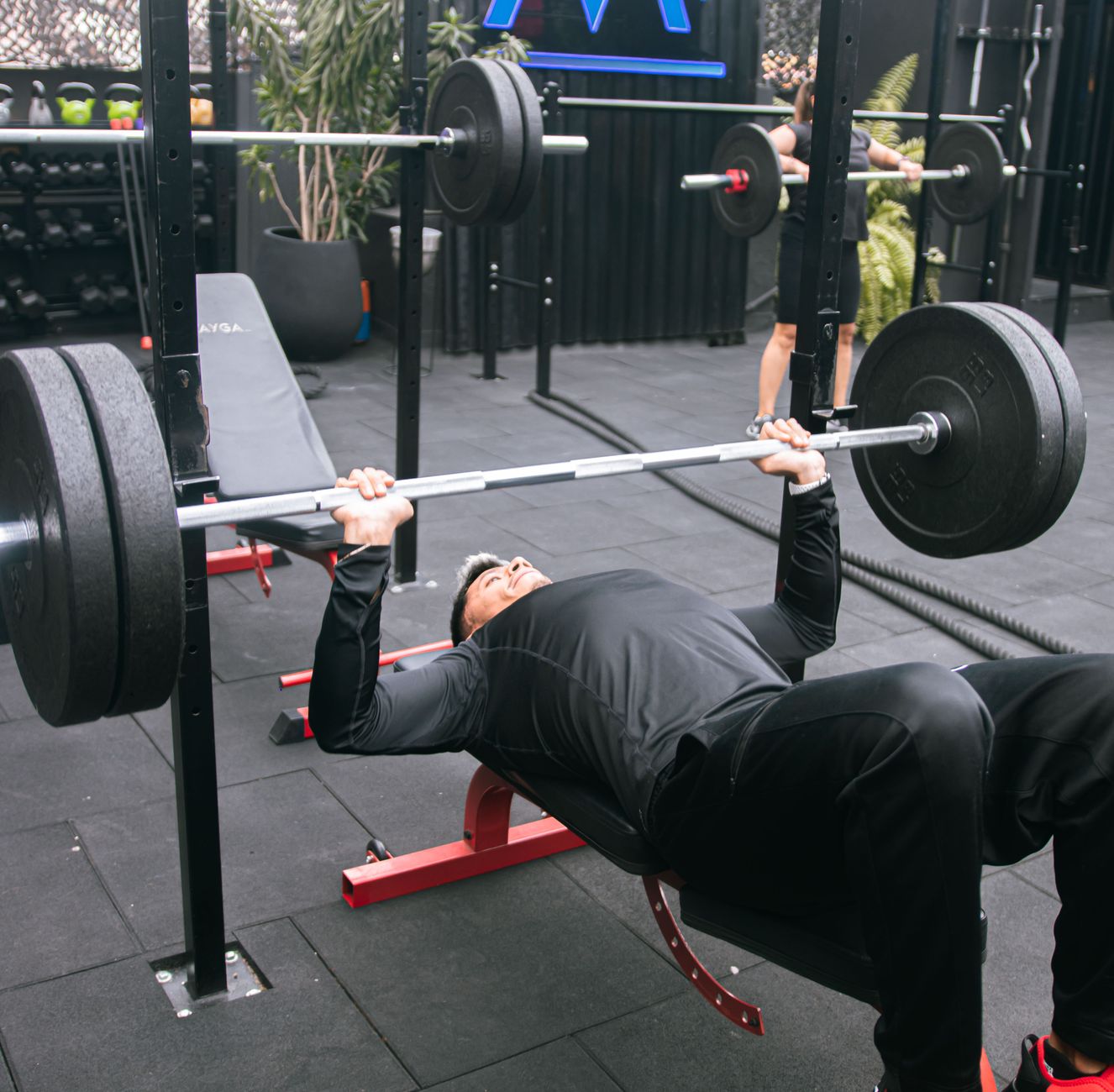
Let’s get one thing straight: resistance bands are not inherently bad. They have their place. They offer accommodating resistance, meaning the tension increases as you move through the range of motion. This can be damn useful for overloading the lockout on certain lifts, or for adding an extra layer of burn to accessory work. Think band-assisted pull-ups for beginners, or adding a band to a squat for some extra quad and glute activation at the top. But replacing your entire lifting arsenal with rubber tubes? That’s where the fantasy begins. Weights provide linear resistance. The weight on the bar is the weight on the bar, from start to finish. This is crucial for building raw strength and stimulating muscle fibers in a way that bands simply can’t replicate, especially at the lower end of the rep range where absolute force production is key.
The fundamental issue with relying solely on resistance bands instead of weights for your primary training is the difficulty in achieving progressive overload in a meaningful way for strength and mass. With weights, adding 5 pounds to the bar is a clear, measurable step up. You know exactly what you’re lifting. With bands, progression is less precise. You move from a light band to a medium band, then to a heavy band. But the jump in tension can be inconsistent, and it’s hard to quantify. Furthermore, the peak tension on most resistance band exercises occurs at the end of the movement. This means you’re getting the most resistance when your muscles are already in a mechanically disadvantaged position and have passed their point of peak force production. For building maximal strength, where you need to overcome heavy loads through the entire range of motion, this is a critical drawback.
The physics of it are simple. When you’re doing a barbell squat, the weight is constant. When you’re doing a banded squat, the tension is low at the bottom and high at the top. This means you might be able to handle a certain peak tension with bands, but the average tension throughout the entire rep is significantly lower than what you could achieve with equivalent weight. This limits the stimulus for muscle hypertrophy, which is driven by mechanical tension, muscle damage, and metabolic stress. While bands can create some of each, they generally fall short of the sustained tension and force required to maximally stimulate muscle growth when used as a sole source of resistance.
What Training Principles Apply to Bands?
The core principles of training don’t change, even with bands. You still need progressive overload, mechanical tension, muscle damage, and metabolic stress. Bands can contribute to all of these, but the degree to which they do is where the limitations lie when trying to use resistance bands instead of weights.
- Progressive Overload: This is the biggest hurdle. Adding weight to the bar is the gold standard. With bands, you increase tension by using thicker bands, doubling them up, or shortening the band’s anchor points. You also increase reps or decrease rest. It’s possible, but it’s not as straightforward or as quantifiable as adding plates.
- Mechanical Tension: Bands do provide tension, and it’s accommodating. This means it gets harder as you stretch them. This can be great for targeting specific parts of a lift, but it doesn’t provide the constant, heavy tension across the full range of motion that barbells and dumbbells do, which is generally considered more effective for hypertrophy. My only gripe here is that this accommodating resistance can sometimes feel awkward if you aren’t used to it.
- Muscle Damage and Metabolic Stress: Higher rep ranges with bands can absolutely create a pump and some muscle damage. You’ll feel the burn, and your muscles will ache. This is where bands can be useful for metabolic stress, especially for isolation exercises or finishers. But relying solely on this for growth will likely leave you wanting.
The Program: When Bands Make Sense
Related reading: 4-Day Upper Lower Split: The Complete Workout Plan for Strength & Size
If you understand the limitations and are looking to supplement your existing training, or if you have zero access to weights, here’s how to structure your work with resistance bands instead of weights. This isn’t about replacing your squat rack; it’s about making the most of what you have. We’re talking higher reps, more volume, and focusing on muscle endurance and hypertrophy where bands can actually contribute.
This is a sample full-body split designed for maximum output with bands. The rep ranges are higher because bands require more reps to achieve a similar level of fatigue and metabolic stress as heavier weights. The rest periods are shorter to keep the metabolic stress high.
| Exercise | Sets | Reps | Rest (seconds) | Tempo (Optional) |
|---|---|---|---|---|
| Banded Squat (Full Stretch) | 4 | 20-30 | 60 | 2-0-2-0 |
| Banded Push-Up (Chest Level) | 4 | AMRAP* | 60 | 2-0-1-0 |
| Banded Row (Anchor High) | 4 | 15-20 | 75 | 2-1-2-0 |
| Banded Overhead Press | 4 | 15-20 | 75 | 2-0-2-0 |
| Banded Glute Bridge | 4 | 25-30 | 60 | 1-1-2-0 |
| Banded Bicep Curl | 3 | 20-25 | 45 | 2-0-1-0 |
| Banded Triceps Extension | 3 | 20-25 | 45 | 2-0-1-0 |
| Plank with Band Pull-Apart | 3 | 60 sec | 45 | N/A |
*AMRAP: As Many Reps As Possible with good form.
Key Considerations for the Program:
- Band Tension: Select a band that allows you to hit the target rep range with good form, but where the last few reps are a serious struggle. You should feel your muscles burning and fatiguing.
- Anchor Points: Use a stable anchor point for rows and presses. A sturdy door anchor, a power rack, or even a solid piece of furniture can work, but ensure it’s secure. We’ve found a good door anchor system can expand your exercise options significantly.
- Range of Motion: Focus on a full range of motion. For banded squats, ensure you’re getting deep. For banded rows, pull the band towards your torso, squeezing your shoulder blades.
- Tempo: A controlled tempo (e.g., 2-0-2-0) helps maximize time under tension and muscle activation. Avoid just snapping the band back and forth. Control both the eccentric (lowering) and concentric (lifting) phases.
This program focuses on higher repetitions to compensate for the lower absolute tension compared to free weights. It aims to induce a significant metabolic stress and muscular burn, which can contribute to hypertrophy, especially in the absence of other stimuli. The higher rep ranges also help to build muscular endurance, which can be beneficial across various athletic pursuits. When you’re grinding out rep 25 on banded squats, you’re not just building muscle; you’re building mental toughness.
How Do You Progress with Bands?
Progression is the bedrock of getting bigger and stronger. If you can’t consistently make exercises harder, you stagnate. With resistance bands instead of weights, you have several avenues, but they require more creativity than just adding a dime.
- Increase Band Tension: This is the most obvious. Move to a thicker band or combine bands. If you’re using a single band for an exercise and can easily hit 30 reps, it’s time to step it up. This is the primary way to increase the load.
- Increase Reps: If you can’t immediately increase the band tension, add more reps to your existing sets. If you were doing 20 reps, aim for 22, then 24, and so on, until you can move up to the next band.
- Decrease Rest Periods: Shortening the rest between sets increases the metabolic stress and makes the overall workout more demanding. Go from 75 seconds to 60, then to 45. This is a form of increasing intensity without increasing the load.
- Increase Time Under Tension (TUT): Slow down the eccentric (lowering) portion of the movement. Instead of a 1-second negative, try 2 or 3 seconds. This increases the time your muscles spend under strain.
- Increase Range of Motion (ROM): Find ways to deepen the stretch or contraction. For example, in banded rows, try to exaggerate the squeeze at the peak contraction. This can make an exercise feel significantly harder.
- Change the Angle of Pull: For exercises like banded rows or chest presses, slightly altering where the band is anchored can change the resistance profile and challenge your muscles in new ways.
The key is to constantly seek a greater challenge. If you’re not pushing yourself beyond your comfort zone, you’re not growing. Don’t get complacent with the same band and rep count week after week. That’s how you stay small.
What Are the Common Mistakes with Bands?
Related reading: Beginner Workout Plan: 3-Day Full-Body Program with 8-Week Progression
Most people using resistance bands instead of weights screw it up. They treat them like a toy, not a training tool. Here’s what to avoid:
- Ego Lifting with Bands: Just because you can yank a band quickly doesn’t mean you’re lifting heavy. Control the movement. The speed demons who just snap the bands back and forth are wasting their time. Form over speed, always.
- Not Using Enough Tension: If the band feels easy for 30 reps, it’s too light. You need to feel challenged in the target rep range. Many lifters pick bands that are far too light and then wonder why they aren’t seeing results. This is often driven by a desire to keep ego lifting even with bands. Fair warning: this is a common trap.
- Ignoring Accommodating Resistance: Bands get harder as they stretch. Understand this. You might not be able to hit the same absolute peak force as you can with a barbell, but you can exploit the increasing tension to overload specific parts of the movement. Don’t fight it; use it.
- Poor Anchoring: A flimsy anchor point is a recipe for disaster and ineffective training. Always ensure your anchor point is secure and can handle the tension you’re applying. A bad anchor means inconsistent tension and potential injury.
- Not Combining with Other Methods: If you’re only using bands, you’re severely limiting your potential for maximal strength and size gains. Bands are best used as a supplement, not a replacement. Trying to build a 500-pound squat with only bands is a fool’s errand.
We’ve seen countless guys try to make bands their primary tool and end up frustrated. They’ll post videos of themselves doing 100 banded push-ups, feeling like they’ve conquered the world, but their physique tells a different story. It’s about smart training, not just putting in the damn work with whatever is available.
Gear That Helps
While the focus is on bands, sometimes a little extra gear can make the experience better or more effective.
For exercises where you need to secure the bands, a solid resistance band door anchor is indispensable. It allows you to set up exercises like rows, curls, and presses from various heights and angles, mimicking cable machines.
If you’re doing a high volume of banded exercises that involve pulling or pushing against your body, like banded rows or certain types of banded presses, having a good pair of lifting straps can help prevent grip fatigue from becoming the limiting factor. This allows you to push your target muscle groups to their absolute limit.
FAQ
Can you build muscle using resistance bands instead of weights? Yes, you can build muscle with resistance bands, especially if you focus on higher rep ranges and ensuring constant tension. However, for maximal hypertrophy, weights provide a superior stimulus due to their consistent tension and ability to be loaded heavier.
Are resistance bands effective for strength training? Resistance bands can contribute to strength gains, particularly in improving muscular endurance and explosiveness. However, they’re not as effective as free weights for developing maximal strength due to their accommodating resistance profile and the difficulty in precisely measuring and increasing load.
How do I progress if I’m only using resistance bands? Progression with bands involves increasing tension (thicker bands, doubling up), increasing reps, decreasing rest periods, slowing down the tempo, or altering the angle of pull. The key is to continuously challenge your muscles in new ways.
What are the main disadvantages of using resistance bands instead of weights? The primary disadvantages are the limited potential for maximal strength development, the difficulty in precise progressive overload, and the accommodating resistance that doesn’t provide constant tension through the entire range of motion like weights do.
When are resistance bands a good alternative to weights? Resistance bands are excellent for warm-ups, rehabilitation, adding accommodating resistance to weight training, travel workouts, and for individuals with limited space or access to equipment who still want to maintain a baseline level of fitness and muscle stimulation.
Look, we’re not here to sell you on rubber bands replacing your squat rack. If your goal is to be the strongest motherfucker in the gym, or to pack on serious slabs of muscle, iron is king. There’s no magic bullet, no shortcut. But if you’re in a pinch, traveling, or just looking to add a different kind of stimulus to your routine, bands can be a useful tool. Just understand their limitations. Don’t fall for the hype. Use them intelligently. Today, go grab the thickest band you have and hit those banded squats with a focus on controlled negatives. See how that feels.
Related Articles
- How Much Protein Do You Actually Need Per Day to Build Muscle for Serious Lifters 2026
- Bulking vs Cutting for Serious Lifters: How to Do Both Right and When to Switch in 2026
- How to Build a Push Day Workout for Serious Lifters: Exercises, Sets, & Reps (2026)
- HIIT vs Steady State Cardio: Which Burns More Fat and When to Use Each
Where to Buy


💬 Join the Conversation
Have thoughts on this article? We'd love to hear from you.