When you purchase through links on our site, we may earn an affiliate commission. How it works.
Quick Answer
- Track your intake: Fruit counts towards your daily calorie and carb goals.
- Prioritize whole fruits: Berries, apples, and citrus are your best bets for fiber and nutrients.
- Timing matters: Consume fruit around your workouts to maximize energy and recovery.
The question is simple: Can you eat fruit on a cutting diet? The answer, for anyone serious about getting lean without feeling like death warmed over, is a resounding yes. But here’s the hard truth: eating a gallon of grapes and expecting to get shredded is bro-science. You can’t just gorge on anything and call it “healthy.” We’ve seen too many guys wreck their diets with what they think are healthy choices, only to wonder why the scale isn’t moving. This isn’t about magic bullet foods; it’s about smart nutrition. Understanding the role of fruit in a fruit on cutting diet strategy is crucial for sustainable fat loss and preserving the muscle you’ve busted your ass for. We’re talking about making calculated moves, not guessing games.
Why It Works
The core principle here is energy balance. To lose fat, you need to consume fewer calories than you burn. Fruit, while packed with vitamins, minerals, and fiber, still contains calories and carbohydrates. This is not a bad thing. Carbohydrates are your body’s preferred energy source, and fiber helps you feel full, which is a game-changer when you’re in a calorie deficit. When we talk about fruit for fat loss, we’re not suggesting it magically burns fat. We’re talking about using its properties to make a deficit more manageable and your training more effective. Whole fruits provide micronutrients that are often lacking when people aggressively cut calories, helping to maintain overall health and hormonal function, which are critical for long-term fat loss and muscle retention.
The Program / The Technique
Related reading: Best Omega-3 Fish Oil 2026: Top 5 for Inflammation and Recovery
This isn’t a workout program, it’s a nutritional framework. We’re laying out how to integrate fruit, not a specific diet plan. Think of this as your guide to smart carb management.
| Exercise/Food Group | Sets/Servings | Reps/Amount | Rest/Timing |
|---|---|---|---|
| Fruit Intake | 1-3 servings | 100-200g per serving | Pre/Post-Workout |
| Berries (Blueberries, Raspberries, Strawberries) | 1-2 servings | 1 cup per serving | Daily, especially post-workout |
| Apples | 1 serving | 1 medium apple | Daily, mid-meal |
| Citrus (Oranges, Grapefruits) | 1 serving | 1 medium fruit | Daily, snack |
| Bananas | 1 serving | 1 small banana | Pre-workout only |
| Dried Fruit (Raisins, Dates) | Limited | 25-50g | Sparingly, intra-workout if needed |
Explanation:
- Servings: This is a guideline. Your exact needs depend on your total daily calorie and macronutrient targets.
- Amount: Grams or standard units. A medium apple is roughly 150-200g. A cup of berries is around 100-150g depending on how packed it’s.
- Timing: Consuming higher-glycemic fruits like bananas around your workout can be beneficial. Lower-glycemic options like berries and apples can be spread throughout the day. Dried fruit is calorie-dense, so use it sparingly.
This table isn’t about “magic” numbers. It’s about practical application. If you’re doing heavy squats and feel your energy flagging, a small banana might give you the immediate fuel you need. If you’re just sitting at your desk, a handful of berries is a better, lower-calorie choice. The key is making fruit fit your energy expenditure and macronutrient goals.
Progression
Progression in nutrition isn’t about adding more weight to the bar each week; it’s about refining your approach and adapting to your body’s response. As you get leaner, your body can become more efficient, and you might need to adjust your fruit intake.
- Monitor Your Progress: Track your weight, body fat percentage (if possible), and how you feel during training. Are you losing fat? Are you maintaining strength?
- Adjust Carb Intake: If fat loss stalls, reduce your overall carbohydrate intake slightly. This might mean slightly smaller fruit portions or cutting out a serving. If you’re feeling consistently drained, you might need to add a small amount back, perhaps a bit more fruit pre- or post-workout.
- Prioritize Nutrient Density: As your diet gets stricter, focus on fruits that offer the most bang for your caloric buck. Berries are fantastic due to their high fiber and antioxidant content relative to their sugar load. Grapefruit can also be a good choice for its volume and lower calorie count.
- Listen to Your Body: If you find yourself craving something sweet, a piece of fruit is almost always a better choice than a processed snack. Learn to recognize true hunger versus cravings.
This isn’t a static system. You adapt. If you’re hitting a plateau, you tweak. You don’t just give up because the scale isn’t moving. You analyze. You adjust. You put in the damn work, both in the gym and in the kitchen.
Form Cues & Common Mistakes
Related reading: Bulking vs Cutting for Serious Lifters: How to Do Both Right and When to Switch in 2026
Form Cues:
- Measure, Don’t Guess: Use a food scale for accuracy, especially with calorie-dense fruits like dried fruit or bananas.
- Fiber is Your Friend: Aim for fruits high in fiber. Fiber slows digestion, keeps you fuller for longer, and blunts blood sugar spikes. Berries are king here.
- Hydration: Eat whole fruit, don’t just drink the juice. Juice strips away the fiber and concentrates the sugar, leading to rapid blood sugar spikes and crashes. You lose the satiety factor.
- Pairing: Consider pairing fruit with a source of protein or healthy fat (like a small handful of almonds with an apple) to further slow digestion and stabilize blood sugar. This makes the fruit more satiating.
Common Mistakes:
- The “Healthy” Excuse: Slamming down massive smoothies packed with fruit, thinking it’s a free pass because it’s “natural.” That’s a fast track to stalled fat loss. A banana and a scoop of protein powder is one thing; three bananas, a cup of spinach, and a liter of almond milk is another beast entirely when you’re cutting.
- Ignoring Sugar Content: All fruits have sugar (fructose). Some have more than others. High-fructose fruits like mangoes, pineapple, and dried fruits need to be consumed in moderation when cutting. Don’t fall for the “it’s natural, so it’s fine” trap. Natural sugar still impacts your insulin response and calorie intake.
- Juicing Everything: As mentioned, juicing removes the fiber. You’re essentially drinking a sugar bomb. This is one of the biggest pieces of bro-science surrounding “healthy” eating. If you want to drink your calories, make it a protein shake, not a fruit juice.
- Eating Fruit Post-Dinner: While not a disaster, consuming large amounts of fruit late at night, especially higher-sugar varieties, might not be ideal for everyone trying to maximize fat loss, as your body’s activity level is typically lower. Stick to lower-glycemic options or reserve your fruit intake for earlier in the day or around workouts.
- Over-reliance on Exotic Fruits: While delicious, some exotic fruits can be surprisingly high in sugar and calories. Stick to the basics when you’re in a strict deficit.
Stop half-repping your diet. Be precise. Know what you’re putting in your body and why.
Gear I Use
When we’re talking about managing your nutrition, the gear is minimal. It’s about the food. But if you’re serious about tracking, a reliable food scale is non-negotiable. We’ve used the OXO Good Grips Stainless Steel Food Scale for years. It’s accurate, easy to clean, and doesn’t break the bank. For tracking those macros and calories, a good app like MyFitnessPal or Cronometer is essential.
FAQ
Q1: Is fruit bad for you on a cutting diet? A: No, fruit isn’t inherently bad. It provides essential vitamins, minerals, and fiber. The key is how you incorporate it into your overall calorie and carbohydrate targets.
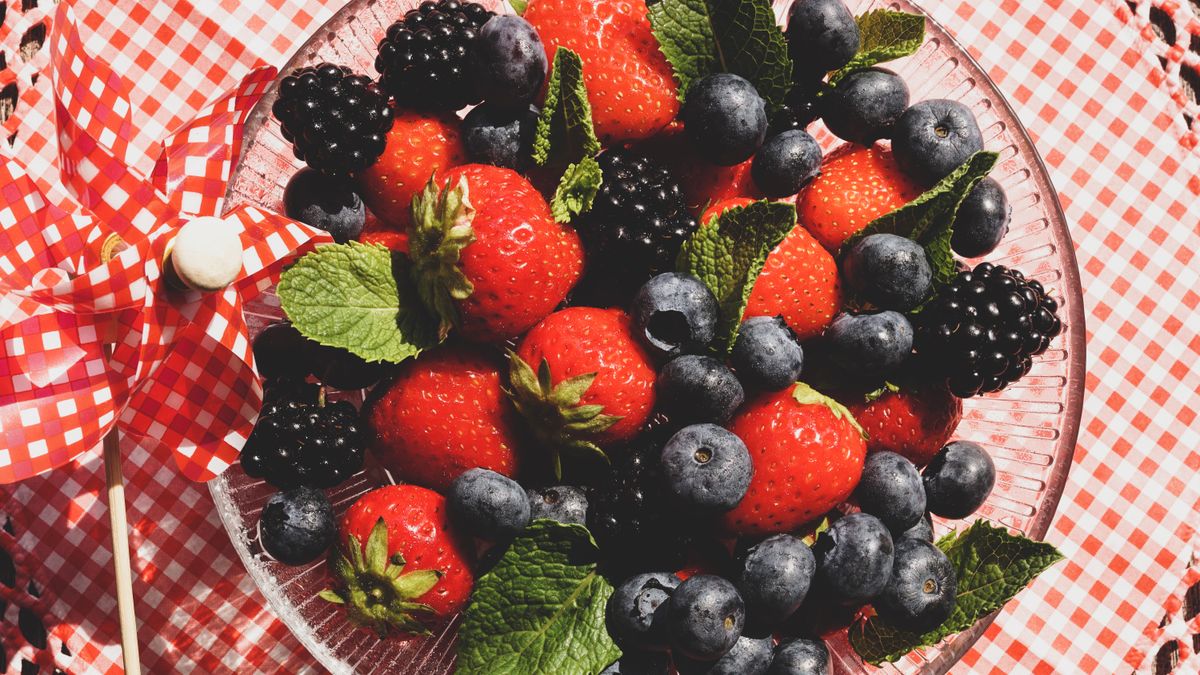
Q2: What are the best fruits for fat loss? A: Berries (strawberries, blueberries, raspberries) are excellent due to their high fiber and antioxidant content relative to their sugar. Apples and grapefruits are also good choices.
Q3: Can I drink fruit juice on a cutting diet? A: Generally, no. Fruit juice strips away the beneficial fiber, concentrating the sugars. This leads to rapid blood sugar spikes and misses out on the satiety benefits of whole fruit.
Q4: How much fruit is too much when cutting? A: “Too much” depends on your individual calorie and macro targets. If a fruit portion causes you to exceed your daily calorie goal, it’s too much. Listen to your body and track your intake.
Q5: Should I avoid fruit altogether when trying to lose fat? A: Not necessarily. Avoiding entire food groups can lead to nutrient deficiencies and make dieting unsustainable. Smart inclusion of fruit can aid in adherence and provide micronutrients, provided it fits your caloric deficit.
Conclusion
So, can you eat fruit on a cutting diet? Absolutely. It’s not about banning foods; it’s about strategic inclusion. Prioritize whole, fiber-rich options like berries and apples. Track your intake rigorously, just like you track your sets and reps. Understand that fruit contributes to your calorie and carb budget. If you’re looking for fruit for fat loss, use it as a tool to manage hunger and provide micronutrients, not as a free pass to overeat. This is the hard truth: no food guarantees fat loss. It’s the consistent deficit, the hard training, and the smart nutrition choices that get you there. Start by logging one serving of berries with your breakfast tomorrow. That’s your first step.
Related Articles
- Best Zinc Supplement 2026: Top 5 for Testosterone and Immunity
- Best Ab Rollers 2026: Top 5 for Core Strength
- How Much Protein Do You Actually Need Per Day to Build Muscle for Serious Lifters 2026
- Best Battle Ropes 2026: Top 4 for Home Gyms and HIIT
Where to Buy


💬 Join the Conversation
Have thoughts on this article? We'd love to hear from you.