When you purchase through links on our site, we may earn an affiliate commission. How it works.
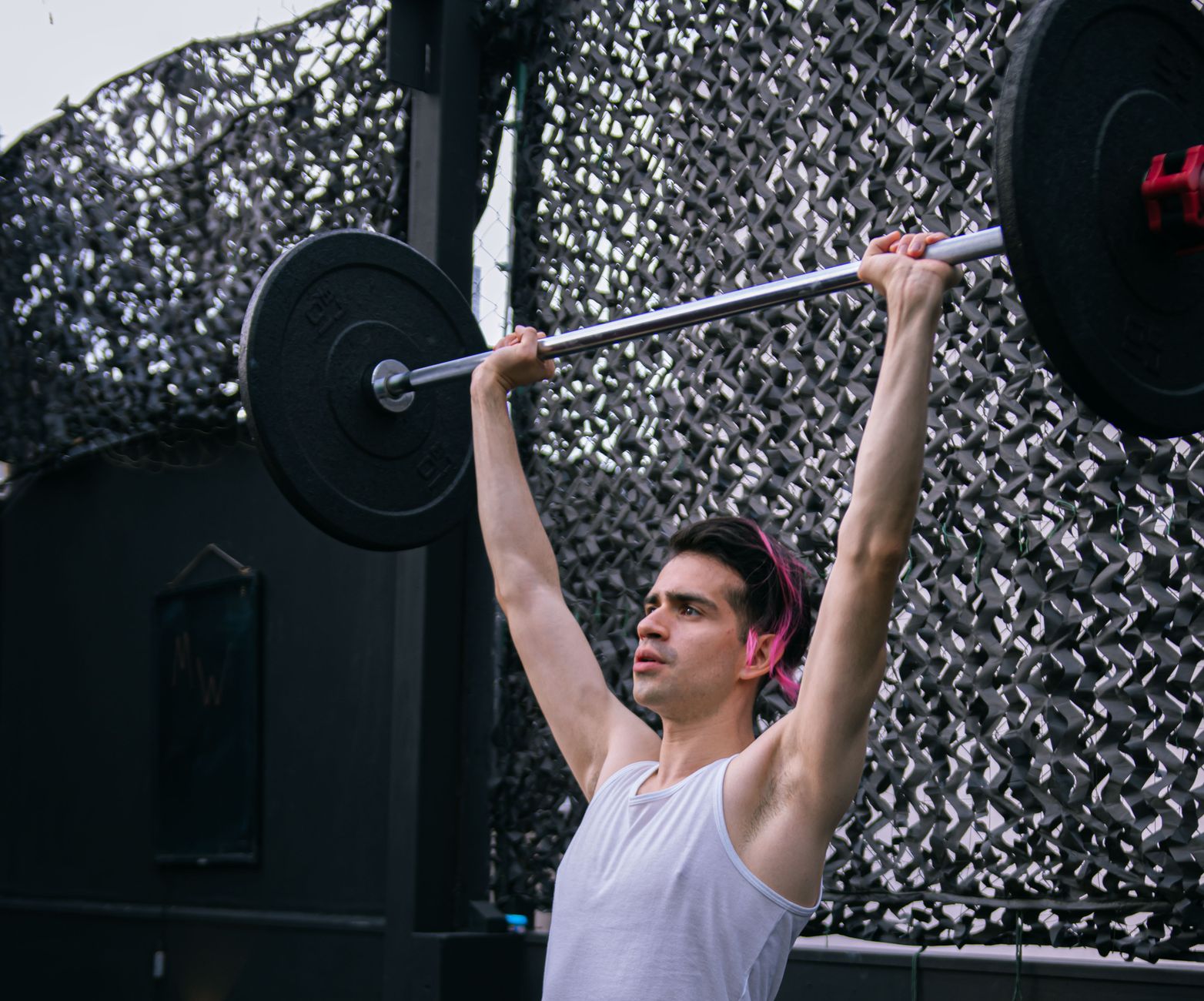
The year I stopped skipping the overhead press, my entire upper body took off. My bench press jumped 40 lbs in three months. My back got thicker. My shoulders looked like damn boulders. Most guys treat the OHP like a red-headed stepchild. They do it once a week, light, with zero focus. Then they wonder why they’re stuck. If you’re serious about adding plates to your bar and building real, functional strength, you need to understand how to overhead press. This isn’t about fancy techniques or magic supplements. It’s about putting in the damn work and doing it right. We’ve made every mistake in the book so you don’t have to. Let’s get your shoulders jacked.
Why It Works
The overhead press is a full-body strength builder. It’s not just a shoulder exercise. When you press a heavy weight overhead, you’re engaging your entire posterior chain for stability. Your core has to brace like hell. Your lats and upper back work to keep your torso tight. Your triceps and deltoids are the primary movers, but they can’t do it alone. This compound nature is why it translates so well to other lifts. It teaches you to generate force from the ground up and control it through your entire body. Bro-science tells you to just blast shoulders with isolation work. That’s how you build small, weak shoulders that can’t handle real weight. We build strong shoulders by pressing heavy things overhead. Simple as that.
The Program: Beast Mode OHP
Related reading: Best Omega-3 Fish Oil 2026: Top 5 for Inflammation and Recovery
This isn’t about pumping iron until your arms fall off. This is about building strength. We run this for 8-12 weeks, then reassess. You’re hitting the OHP twice a week. One day is heavy, one day is volume.
| Exercise | Sets | Reps | Rest |
|---|---|---|---|
| Overhead Press | 5 | 3-5 | 3-4 min |
| Incline Dumbbell Press | 4 | 6-8 | 2 min |
| Barbell Rows | 4 | 6-8 | 2 min |
| Triceps Pushdowns | 3 | 10-12 | 90 sec |
| Face Pulls | 3 | 15-20 | 90 sec |
The second OHP day is more about volume and hypertrophy, but still focused on strength foundations.
| Exercise | Sets | Reps | Rest |
|---|---|---|---|
| Overhead Press | 4 | 8-10 | 2 min |
| Dumbbell Shoulder Press | 3 | 10-12 | 90 sec |
| Pull-Ups | AMRAP | Max reps | 2 min |
| Dips | 3 | 8-10 | 90 sec |
| Lateral Raises | 3 | 12-15 | 60 sec |
This is the core. We’re building strength on the main lift and supporting it with essential accessories. Don’t skip the rows and pull-ups. Your upper back strength is critical for a stable lockout.
Progression: How To Add Weight
This is where most guys fail. They just do the same weight for the same reps every week. That’s not progression. That’s stagnation.
- Week 1-4: Linear Progression. Start with a weight you can hit for the target reps on your heavy day. For the 3-5 rep range, aim for 5 reps on your first set. If you hit 5 reps on all sets, increase the weight by 5 lbs (2.5 kg) next week. If you hit 4 reps on your last set, try to hit 5 next week. If you only hit 3, that’s fine, work towards 4. On the volume day (8-10 reps), do the same. Increase by 2.5-5 lbs when you can hit the top of the rep range for all sets.
- Week 5-8: Double Progression. Once linear progression stalls, we switch gears. Pick a weight you can do for the lower end of the rep range (e.g., 3 reps on the heavy day). Work on hitting the higher end of the rep range (5 reps) for all sets with that same weight. Once you hit the top of the rep range for all sets, then you increase the weight by 5 lbs and drop back to the lower end of the rep range. This builds density and strength.
- Week 9-12: Deload and Repeat. After 8-12 weeks of pushing hard, take a deload week. Reduce volume and intensity by about 40-50%. Then, start the cycle again, but with slightly heavier weights than you started the previous cycle with. This prevents burnout and keeps you moving forward.
Don’t be a hero. If you miss reps, that’s a sign. Don’t force it. The goal is consistent, sustainable progress.
Form Cues & Common Mistakes
Related reading: Bulking vs Cutting for Serious Lifters: How to Do Both Right and When to Switch in 2026
This is where the how to overhead press gets real. Forget the YouTube gurus with their weird contraptions. We’re talking about solid, meat-and-potatoes pressing.
- Foot Stance: Feet shoulder-width apart, or slightly narrower. You want a stable base. Don’t be a wide-legged pigeon.
- Grip Width: Slightly wider than shoulder-width. Too narrow and your wrists will get obliterated. Too wide and you lose leverage. Find what feels strong and stable.
- Rack the Bar: Get it out of the rack clean. Unrack it, step back, set your feet. Don’t rip it off like you’re fighting a bear.
- Brace Your Core: This is non-negotiable. Take a deep breath, brace your abs like you’re about to get punched. This creates intra-abdominal pressure, which stabilizes your spine and torso. Without this, you’re just wiggling.
- The Press: Drive the bar up and slightly back. Think about pressing your head through the ceiling as the bar passes your face. This creates an efficient path for the weight.
- Lockout: Fully extend your arms at the top. Shoulders shrugged up, squeezing your traps. Don’t leave reps on the table by not finishing the movement.
- The Dip: A slight dip and drive with your legs can help initiate the lift, especially on heavy singles or doubles. It’s not a full squat, just a slight knee bend to help you explode. This is a power movement, not a strict press for most people trying to move serious weight.
Common Mistakes That Kill Progress:
- Ego Lifting: Trying to lift too much weight with shit form. You’re not impressing anyone but yourself, and you’re setting yourself up for injury. Stop it.
- Half-Repping: Not locking out at the top. If the bar isn’t at full extension over your head, it doesn’t count.
- Leaning Back Too Much: This turns it into a Frankenstein press. You want a stable torso, not an arched back that’s about to snap. Keep your core tight and press up.
- No Leg Drive: Forgetting that your legs are part of the equation. A little leg drive can make a huge difference.
- Ignoring the Upper Back: Weak traps and lats mean a weak lockout. Your shoulders will cave. Do your rows and pull-ups.
- Bro-Science Supplementation: Relying on pre-workouts and magic powders instead of solid programming and nutrition. The best supplement is hard work.
Gear I Use
When the weight gets heavy, a good weightlifting belt makes a difference. It helps you brace harder and maintain that crucial intra-abdominal pressure. Don’t wear it for every set, but for your heavy top sets, it can be a game-changer.
FAQ
How do I increase my overhead press if my shoulders hurt? Check your form first. Are you leaning back too much? Are you using enough leg drive? Sometimes, it’s about finding a slightly different grip width or pressing path. If the pain persists, consider reducing the weight and focusing on higher reps with perfect form, or incorporating more mobility work for your shoulders and thoracic spine.
What’s the difference between a strict press and a push press? A strict press is done with no leg drive, just pure upper body strength. A push press uses a slight dip and drive of the legs to help initiate the bar’s movement. For moving maximal weight, the push press is usually superior.
How often should I overhead press? For most lifters focused on strength, training the overhead press twice a week is optimal. One day should be heavy, focusing on lower rep ranges, and the other day can be for volume or lighter pressing.
Should I use dumbbells or barbells for overhead press? Both have their place. Barbells are king for moving maximal weight and building overall strength due to the heavier loads possible. Dumbbells allow for a greater range of motion and can help address muscular imbalances, but they’re generally not for your absolute heaviest pressing days.
Is overhead press good for building bigger shoulders? Absolutely. When programmed correctly with progressive overload and sufficient volume in moderate rep ranges, the overhead press is one of the most effective exercises for building thick, strong deltoids. It hits all three heads of the shoulder muscle.
Conclusion
Stop making excuses. The overhead press is a fundamental lift for building serious upper body strength and muscle. If you’re looking for a direct answer to how to overhead press and get stronger, it’s this: stop skipping it, program it intelligently, focus on your form, and push the weight. Don’t fall for bro-science or ego lifting. Focus on the work. Today, pick a weight you can hit for 5 reps with good form on your heaviest overhead press movement. Then, commit to adding 5 lbs to that weight next week. That’s your next step. Go put in the damn work.
Related Articles
- Best Zinc Supplement 2026: Top 5 for Testosterone and Immunity
- Best Ab Rollers 2026: Top 5 for Core Strength
- How Much Protein Do You Actually Need Per Day to Build Muscle for Serious Lifters 2026
- Best Battle Ropes 2026: Top 4 for Home Gyms and HIIT
Where to Buy

💬 Join the Conversation
Have thoughts on this article? We'd love to hear from you.