
When you purchase through links on our site, we may earn an affiliate commission. How it works.
- Focus on compound lifts.
- Hit each muscle group 3x per week.
- Prioritize progressive overload.
Quick Answer
The year I ditched the ghost routines and finally embraced the fundamentals, my strength and size flatlined. I was spinning my wheels, hopping between fancy splits that promised the world but delivered squat. Then I got smart. The real gains weren’t hidden in some secret program, but in the relentless pursuit of progressive overload on the big lifts. This 3 day full body workout is that realization. It’s built for the lifter with a life – work, family, whatever – but still wants a serious physique and to get damn strong. If you’re serious about adding plates and size, this is the path. Forget the bro-science that says you need to train a muscle once a week with 20 sets. That’s a recipe for burnout and mediocrity. This program hammers each muscle group multiple times a week. That means more frequent stimulus. Faster adaptation. It forces efficiency. More importantly, it makes every damn rep count.
Why It Works
Related reading: 4-Day Upper Lower Split: The Complete Workout Plan for Strength & Size
This isn’t magic. It’s applied physiology. The core principle here is frequency. Hitting a muscle multiple times a week beats the hell out of the old dogma of once-a-week torture sessions. When you train a muscle, you create micro-tears. Your body needs to repair those tears to make the muscle bigger and stronger. Training it again sooner keeps that repair and growth signal elevated. This full body program 3 days a week leverages that. You’re not waiting a full week for your body to get back to work. You hit it, recover for a day or two, then hit it again. This constant, but manageable, stimulus keeps your body in an anabolic state. Think of it like this: would you rather water a plant once a week with a gallon, or three times a week with a smaller amount? For most plants, the latter is better for consistent growth. Same with your muscles. We’ve run this type of frequency in our own training, and the results speak for themselves. We saw better recovery, less joint pain from spreading the volume, and most importantly, consistent progress on our lifts. It’s about consistency and hitting the right buttons frequently, not just blasting a muscle into oblivion once.
The Program
This is the work. No fluff, just iron. We’re talking compound movements here. Squats, presses, pulls. These are the exercises that build the most muscle and strength because they involve multiple joints and muscle groups. You’re getting more bang for your buck with every rep. We’re structuring this for three non-consecutive days a week. Monday, Wednesday, Friday is a classic for a reason. It allows for adequate recovery between sessions.
| Exercise | Sets | Reps | Rest (or Tempo) |
|---|---|---|---|
| Day 1 | |||
| Barbell Back Squat | 3 | 5-8 | 90-120 seconds |
| Overhead Press | 3 | 6-10 | 90 seconds |
| Barbell Row | 3 | 6-10 | 90 seconds |
| Romanian Deadlift | 3 | 8-12 | 90 seconds |
| Lat Pulldown (or Pull-ups) | 3 | 8-12 | 60 seconds |
| Dumbbell Bench Press | 3 | 8-12 | 60 seconds |
| Triceps Pushdown | 3 | 10-15 | 60 seconds |
| Day 2 | |||
| Deadlift | 1 | 3-5 | 120-180 seconds |
| Incline Dumbbell Press | 3 | 8-12 | 90 seconds |
| Seated Cable Row | 3 | 8-12 | 60 seconds |
| Dumbbell Lunges | 3 | 10-12 per leg | 60 seconds |
| Barbell Curl | 3 | 8-12 | 60 seconds |
| Lateral Raises | 3 | 12-15 | 60 seconds |
| Face Pulls | 3 | 15-20 | 60 seconds |
| Day 3 | |||
| Barbell Back Squat | 3 | 5-8 | 90-120 seconds |
| Bench Press | 3 | 5-8 | 90-120 seconds |
| Barbell Row | 3 | 6-10 | 90 seconds |
| Leg Press | 3 | 10-15 | 90 seconds |
| Pull-ups (or Lat Pulldown) | 3 | As many reps as possible | 60 seconds |
| Dumbbell Shoulder Press | 3 | 8-12 | 60 seconds |
| Hammer Curl | 3 | 10-15 | 60 seconds |
| Triceps Overhead Extension | 3 | 10-15 | 60 seconds |
Tempo Note: For most exercises, we’re looking for a controlled eccentric (lowering) phase, a brief pause, and a powerful concentric (lifting) phase. Think 2-1-X-1. Two seconds down, one second pause at the bottom, explode up, one second pause at the top. This isn’t about slow, agonizing reps on every exercise, but about controlling the weight and maximizing muscle tension. On the deadlift, we’re going for a fast, explosive pull from the floor.
Deadlift Volume: You’ll notice only one heavy set of deadlifts on Day 2. This is by design. Deadlifts are taxing. One heavy set, done with perfect form, is enough to stimulate growth and strength without annihilating your central nervous system for the rest of the week. We’ve seen lifters ego-lift deadlifts, adding weight they can’t control, and end up injured or stalled. This is about smart loading.
Rep Ranges: The rep ranges are deliberate. Lower reps (5-8) on your main strength lifts like squats and bench press to build raw strength. Higher reps (8-15) on accessory and isolation movements to drive hypertrophy and muscle endurance. If you can easily hit the top end of the rep range for all your sets with good form, it’s time to increase the weight.
Progression
Related reading: Beginner Workout Plan: 3-Day Full-Body Program with 8-Week Progression
This is where most lifters fail. They do the same weight, the same reps, week after week, and wonder why they aren’t getting bigger or stronger. Progressive overload is the name of the game. It means you have to consistently challenge your muscles to do more. Here’s how we do it:
- Add Weight: This is the most straightforward. If you hit the top of the rep range for all your sets on an exercise (e.g., you hit 8 reps on all 3 sets of squats), add a small amount of weight the next time you do that exercise. For squats and deadlifts, this might be 5-10 lbs. For presses and rows, 2.5-5 lbs. Don’t be a hero. Small, consistent jumps are key.
- Add Reps: If you can’t add weight, add reps. If you hit 3 sets of 6 reps on the bench press last week, aim for 3 sets of 7 this week. Once you hit the top of the rep range, then you add weight.
- Improve Form: This isn’t always about numbers, but it’s crucial. Can you get your squat deeper? Can you control the eccentric of your bench press better? Can you pull your rows higher with a better contraction? Improving your form increases the effective stimulus on the muscle.
- Decrease Rest: If you’re recovering faster between sets, you can gradually decrease your rest times. This increases the metabolic stress and can contribute to hypertrophy. Start by shaving 10-15 seconds off your rest periods.
We track everything. A simple notebook or a spreadsheet works. Log your exercises, sets, reps, and weight. Look at it before each session. Your goal is to beat your last performance. If you’re not pushing yourself to do more than last time, you’re not progressing. It’s that simple. This isn’t about feeling good; it’s about getting better.
Form Cues & Common Mistakes
Bro-science runs rampant with form. People think they know, but they’re just doing what looks cool or what their buddy told them. Here’s what matters:
Barbell Back Squat:
- Cue: Drive your knees out. Think about spreading the floor. Chest up, back tight. Initiate the movement by pushing your hips back, then bending your knees.
- Mistake: Butt wink. When your lower back rounds at the bottom of the squat. This is often due to tight hips or poor core bracing. Don’t force depth if your form breaks down. Focus on hip mobility and bracing.
- Mistake: Knee cave. Letting your knees collapse inward. This puts undue stress on your knee joints.
- Mistake: Half-repping. Not reaching at least parallel. If you’re not squatting deep, you’re cheating yourself out of gains.
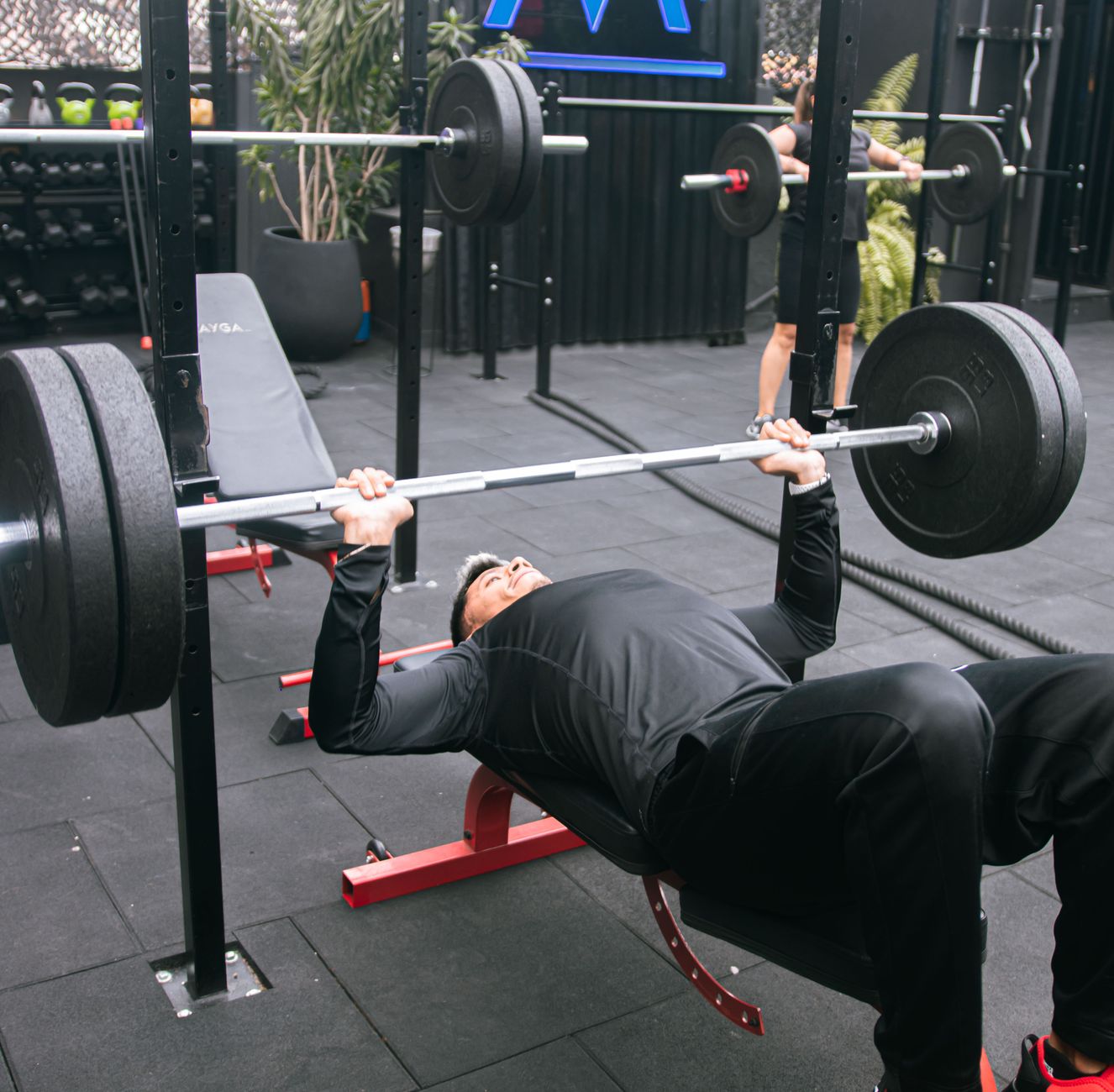
Bench Press:
- Cue: Retract and depress your shoulder blades. Imagine trying to pinch a pencil between your shoulder blades and then pull them down into your back pockets. This creates a stable shelf. Keep your glutes glued to the bench. Feet flat on the floor.
- Mistake: Elbow flare. Letting your elbows drift out too wide (past 45-60 degrees). This hammers your shoulder joints.
- Mistake: Bouncing the bar off your chest. This is ego lifting at its finest. Control the descent.
- Mistake: Losing tightness. Your entire body should be tight and braced. Don’t just lie there.
Deadlift:
- Cue: Brace your core like you’re about to get punched. Take a big breath, push it into your gut. Keep your back flat. Initiate the pull by driving your feet into the floor and pushing your hips forward. The bar should travel in a straight line up your shins.
- Mistake: Rounding your back. This is a one-way ticket to an injury. If your back rounds, the weight is too heavy or your form is garbage.
- Mistake: Jerking the weight. The deadlift should be a controlled, powerful pull from the floor. No momentum.
- Mistake: Hyperextending at the top. Don’t lean back excessively. Stand tall.
Overhead Press:
- Cue: Squeeze your glutes and brace your core. Think about pushing the bar up and slightly back over your head. Keep your wrists straight.
- Mistake: Using leg drive. Unless it’s specifically a push press, keep your legs out of it. This is an overhead press, not a squat.
- Mistake: Letting your lower back arch excessively. Again, core bracing is key.
Gear I Use
When the weight gets heavy, especially on squats and deadlifts, a good weightlifting belt can provide crucial core support and help you brace harder. It’s not a magic pill, but it’s a valuable tool for pushing past your limits safely. On days where my knees are feeling a bit beat up from years of grinding, a pair of knee sleeves offer some warmth and compression that makes a difference in how I feel throughout the workout.
FAQ
What’s the best rep range for a 3 day full body workout? We use a mix. Lower reps (5-8) for the main compound lifts to build strength, and higher reps (8-15) for accessory work to drive hypertrophy. This combination hits both strength and size drivers effectively.
How do I know when to increase the weight? You increase the weight when you can hit the top end of the prescribed rep range for all sets with good form. If the program says 5-8 reps, and you hit 3 sets of 8, it’s time to add a small amount of weight next session and aim for 5-8 reps again.
Is this program suitable for beginners? Yes, but beginners should start with lighter weights and focus intensely on learning proper form. The lower rep ranges on the main lifts are excellent for developing strength foundations. If you’re brand new, consider working with a coach for a few sessions to nail down the technique on the big lifts.
How important is nutrition and sleep for this program? Crucial. You can’t out-train a bad diet or lack of sleep. To recover and grow from this frequency, you need to be eating enough protein and calories, and prioritizing 7-9 hours of quality sleep per night. This is non-negotiable.
Can I swap exercises in this 3 day full body workout? You can swap exercises for similar compound movements if needed, but stick to the spirit of the program. Don’t replace squats with leg extensions or bench press with bicep curls. The focus is on maximizing stimulus with compound lifts.
Conclusion
Stop messing around. You’ve got the blueprint for building a stronger, more muscular physique even when life is throwing punches. This 3 day full body workout is efficient, effective, and built on principles that actually work. It’s not about fancy gadgets or miracle supplements; it’s about putting in the damn work, consistently. Today, right now, your next step is to open your calendar. Block out your training days for the next three weeks. Monday, Wednesday, Friday. Non-negotiable. If you’re serious about results, you’ll make this happen. Get to it.
Related Articles
- How Much Protein Do You Actually Need Per Day to Build Muscle for Serious Lifters 2026
- Bulking vs Cutting for Serious Lifters: How to Do Both Right and When to Switch in 2026
- How to Build a Push Day Workout for Serious Lifters: Exercises, Sets, & Reps (2026)
- HIIT vs Steady State Cardio: Which Burns More Fat and When to Use Each
Where to Buy


💬 Join the Conversation
Have thoughts on this article? We'd love to hear from you.