When you purchase through links on our site, we may earn an affiliate commission. How it works.
The Takeaway:
- Hit muscle groups twice a week with a structured push pull legs split.
- Focus on compound lifts in the 6-10 rep range for maximum hypertrophy.
- Progressive overload is king; chase weight or reps every damn session.
The year I ditched the bullshit isolation exercises and committed to a structured push pull legs split, my entire frame changed. My bench jumped 40 pounds in eight weeks. My deadlift caught up. My shoulders finally started to fill out. I’d wasted years chasing ghost gains with pump-and-ab workouts, convinced some magic supplement or obscure training technique was the answer. It wasn’t. It was the damn work. This 6-day PPL program isn’t fancy. It’s brutal. It’s effective. If you’re serious about adding plates to your bar and inches to your frame, read this.
Why This Push Pull Legs Split Actually Works
This isn’t rocket science. It’s basic biomechanics and physiology. The push pull legs split lets you hit each major muscle group twice a week. This frequency is optimal for muscle protein synthesis. You push on day one: chest, shoulders, triceps. You pull on day two: back, biceps. You leg day on day three: quads, hamstrings, calves. Then you rest one day and repeat. This hits everything with enough frequency to stimulate growth without blowing yourself up if you manage your recovery. Bro-science tells you to hit a muscle once a week and pray. That’s for guys who like to wear stringers to the grocery store. We’re here to build real mass. You need to stimulate the muscle more often. This split does exactly that. It’s about consistency and volume, not some guru’s secret handshake.
The Program: Your 6-Day PPL Split for Mass
Related reading: 4-Day Upper Lower Split: The Complete Workout Plan for Strength & Size
This is the meat and potatoes. No fluff. Every exercise serves a purpose. We focus on compounds first, then hit accessories to ensure we’re not leaving anything on the table. This is designed for the intermediate lifter who understands basic form and is ready to push.
Day 1: Push (Chest, Shoulders, Triceps)
| Exercise | Sets | Reps | Rest (min) |
|---|---|---|---|
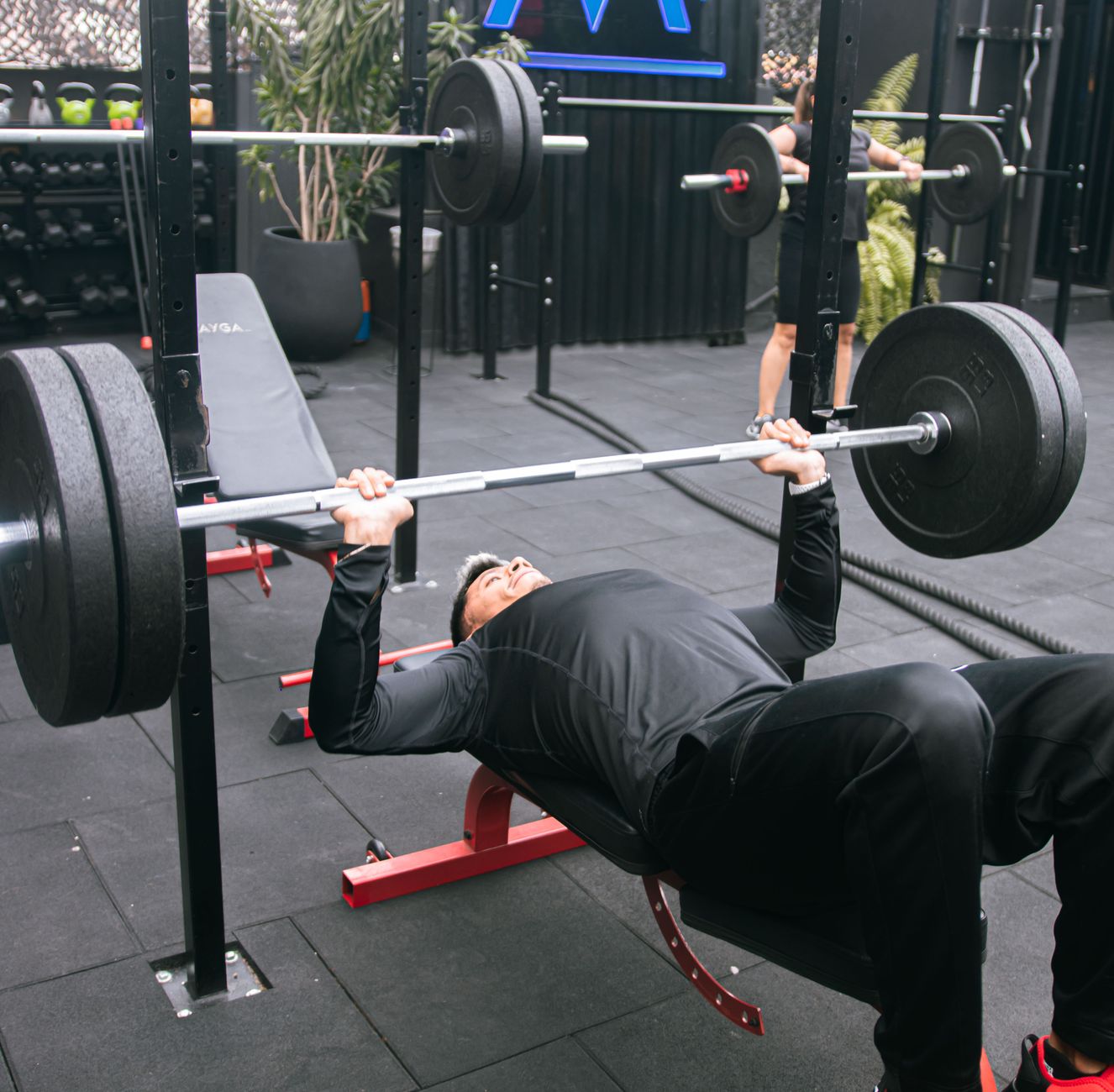
| Barbell Bench Press | 4 | 6-8 | 2-3 |
| Incline Dumbbell Press | 3 | 8-10 | 1.5-2 |
| Overhead Press | 4 | 6-8 | 2-3 |
| Lateral Raises | 3 | 10-12 | 1-1.5 |
| Triceps Pushdowns | 3 | 10-12 | 1-1.5 |
| Skullcrushers | 3 | 8-10 | 1-1.5 |
Day 2: Pull (Back, Biceps)
| Exercise | Sets | Reps | Rest (min) |
|---|---|---|---|
| Deadlifts | 3 | 3-5 | 3-4 |
| Pull-ups (or Lat Pulldowns) | 4 | AMRAP* | 2-2.5 |
| Barbell Rows | 4 | 6-8 | 2-2.5 |
| Seated Cable Rows | 3 | 10-12 | 1.5-2 |
| Barbell Curls | 3 | 8-10 | 1-1.5 |
| Hammer Curls | 3 | 10-12 | 1-1.5 |
*AMRAP = As Many Reps As Possible. If you can do more than 12, add weight.
Day 3: Legs (Quads, Hamstrings, Calves)
| Exercise | Sets | Reps | Rest (min) |
|---|---|---|---|
| Barbell Squats | 4 | 6-8 | 2-3 |
| Romanian Deadlifts | 3 | 8-10 | 1.5-2 |
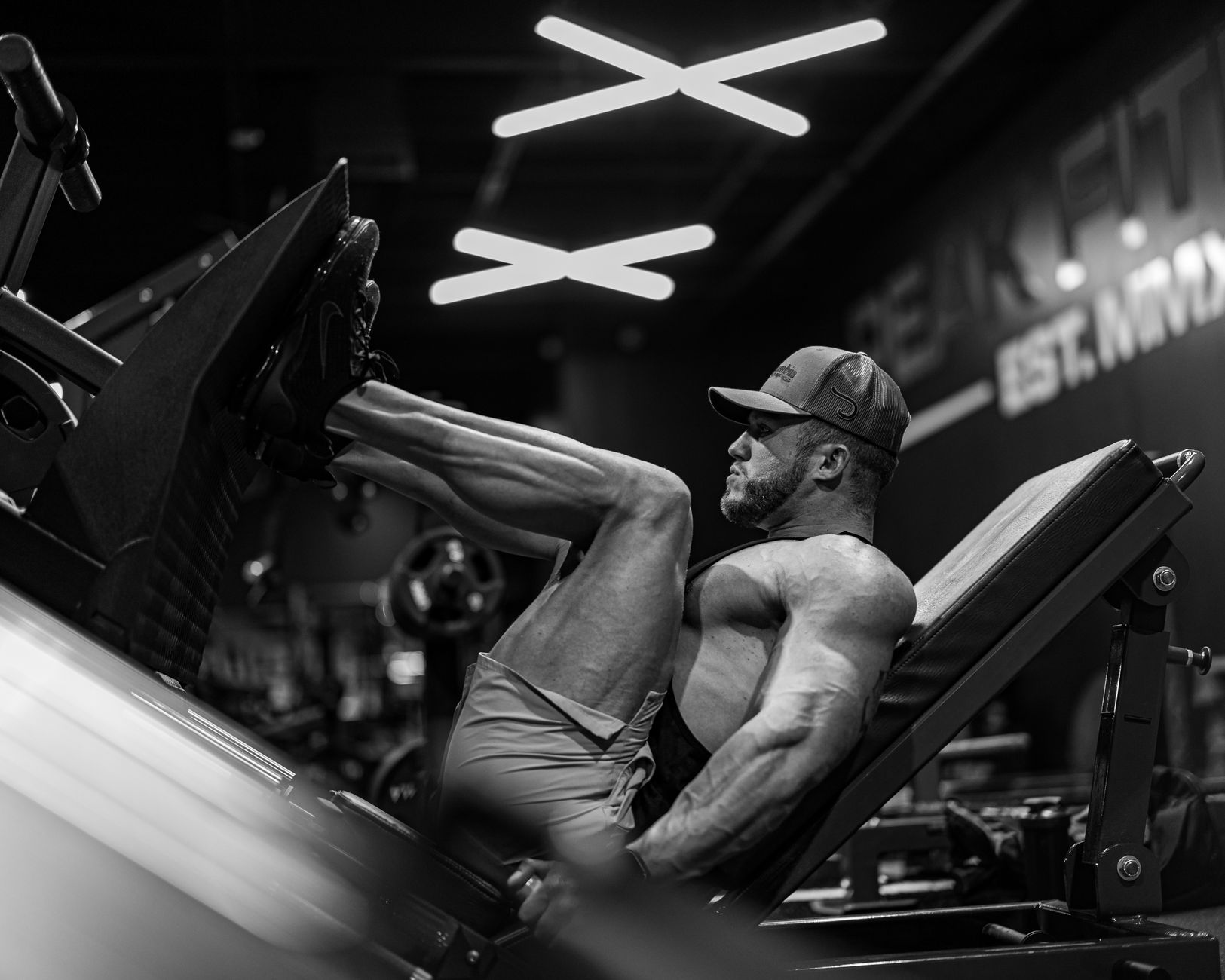
| Leg Press | 3 | 10-12 | 1.5-2 |
| Leg Curls | 3 | 10-12 | 1-1.5 |
| Standing Calf Raises | 4 | 15-20 | 1 |
| Seated Calf Raises | 3 | 15-20 | 1 |
Day 4: Rest
Day 5: Push (Chest, Shoulders, Triceps)
| Exercise | Sets | Reps | Rest (min) |
|---|---|---|---|
| Incline Barbell Press | 4 | 6-8 | 2-3 |
| Flat Dumbbell Press | 3 | 8-10 | 1.5-2 |
| Seated Dumbbell Press | 4 | 8-10 | 2-2.5 |
| Front Raises | 3 | 10-12 | 1-1.5 |
| Overhead Triceps Extensions | 3 | 10-12 | 1-1.5 |
| Dips (assisted if needed) | 3 | AMRAP | 1.5-2 |
Day 6: Pull (Back, Biceps)
| Exercise | Sets | Reps | Rest (min) |
|---|---|---|---|
| Barbell Rows (Pendlay style) | 4 | 5-7 | 2-2.5 |
| Lat Pulldowns (wide grip) | 3 | 8-10 | 1.5-2 |
| T-Bar Rows | 3 | 8-10 | 1.5-2 |
| Face Pulls | 3 | 15-20 | 1 |
| Incline Dumbbell Curls | 3 | 10-12 | 1-1.5 |
| Concentration Curls | 3 | 10-12 | 1-1.5 |
Day 7: Legs (Quads, Hamstrings, Calves)
| Exercise | Sets | Reps | Rest (min) |
|---|---|---|---|
| Front Squats | 4 | 6-8 | 2-3 |
| Stiff-Leg Deadlifts | 3 | 8-10 | 1.5-2 |
| Bulgarian Split Squats | 3 | 8-10 per leg | 1.5-2 |
| Glute-Ham Raises (or Hamstring Curl variation) | 3 | 8-10 | 1-1.5 |
| Seated Calf Raises | 4 | 15-20 | 1 |
| Standing Calf Raises | 3 | 15-20 | 1 |
This is a template. Adjust exercises based on your equipment and mobility. The core principle is hitting the target muscles with sufficient volume and intensity. Don’t be afraid to push the weights. That’s where growth happens.
How Do I Progress on This Split?
This is where most guys screw up. They lift the same weight for the same reps week after week. That’s not training; that’s going through the motions. Progressive overload is non-negotiable. You need to force your body to adapt.
Here’s how we do it:
- Add Weight: If you hit the top end of the rep range for all sets on an exercise, add 5-10 pounds the next week. So, if you did 3 sets of 8 on bench press last week, aim for 3 sets of 6-8 with a heavier weight this week.
- Add Reps: If you can’t add weight, try to squeeze out an extra rep on one or two sets. If you did 3x8, try for 3x9 or 2x8 and 1x9. Every rep counts.
- Improve Form: Sometimes, progress isn’t just about weight. If your form starts to break down at the end of a set, focus on cleaning it up. Better form means better muscle activation.
- Increase Volume (Sparingly): If you’re stalled on a specific lift, you might consider adding an extra set. But don’t go crazy. We’re not doing marathon training here. This is a last resort.
Track your workouts. Write down the weight, reps, and sets. Look at it before you train. Your goal is to beat your previous performance. If you’re not pushing yourself, you’re not growing. Simple as that. I’ve made every mistake in here, from ego lifting to thinking more volume was always better. This approach, chasing weight and reps, is what built our benches and our backs.
What Are the Key Form Cues and Common Mistakes?
Related reading: Beginner Workout Plan: 3-Day Full-Body Program with 8-Week Progression
Form is not optional. It’s the foundation. Ego lifting will get you injured and stall your progress faster than a bad case of the flu.
General Cues:
- Brace your core: Every single compound lift requires a tight core. Imagine someone is about to punch you in the stomach. That’s the tension you need.
- Control the eccentric: The lowering phase of the lift is crucial for muscle damage and growth. Don’t let gravity do all the work. Control the weight down.
- Full range of motion: Unless it’s a specific technique for a reason, move the weight through its entire path. Don’t half-rep your way through gains.
- Mind-muscle connection: Focus on the muscle you’re trying to work. Don’t just move weight from point A to point B. Feel the contraction.
Common Mistakes to Avoid:
- Ego Lifting on Squats and Deadlifts: Going too heavy with sloppy form on these lifts is a fast track to a herniated disc. Focus on controlled reps with good depth. If your butt shoots up before your chest on squats, the weight is too heavy. If your back rounds on deadlifts, stop.
- Half-Reps: Especially on bench press and rows. You’re not hitting the full range of motion. That means less stimulus. Lower the weight and get full reps.
- Ignoring the Eccentric: Bouncing the weight off your chest or letting it drop like a rock on deadlifts is a waste of potential gains. Control the negative. Feel the stretch.
- Not Bracing: Letting your core go slack on any heavy compound lift is dangerous. You’ll leak power and risk injury.
- Too Much Volume, Too Soon: Trying to cram 10 exercises into every workout is a recipe for burnout and subpar performance. Stick to the plan. Focus on quality over quantity.
Gear That Gets the Job Done
Look, you don’t need a superhero cape to get strong. But there’s some gear that just makes sense for specific lifts.
For heavy squats, especially when pushing near your max, a good weightlifting belt is crucial. It helps you maintain that intra-abdominal pressure and keeps your spine stable. It’s not a crutch, it’s a tool.
When deadlifts get heavy, and your grip is the weak link, straps are your friend. Don’t let your grip fail you before your back does. Use lifting straps to keep the focus on your posterior chain.
FAQ
Q1: Is the push pull legs split good for beginners? No. This is an intermediate program. Beginners should focus on mastering basic compound lifts with a full-body or upper/lower split before jumping into higher frequency.
Q2: How much weight should I lift? You should be lifting a weight that challenges you to hit the target rep range with good form, but not so heavy that your form breaks down on the last few reps. If you can easily do more reps than prescribed, the weight is too light.
Q3: What if I can’t do pull-ups? Use lat pulldowns. Focus on the same mind-muscle connection and controlled movement. The goal is to work your lats effectively.
Q4: Can I add more isolation exercises? You can add one or two isolation exercises at the end of a session if you feel you need extra volume for a specific muscle group, but don’t let them detract from your main compound lifts. Prioritize the big movements.
Q5: How long should I run this PPL split? You can run this program for 8-12 weeks before considering a deload or changing things up. Consistency is key, but constantly changing your routine will hinder progress.
This push pull legs split is not a magic bullet. It’s a proven framework. It’s about showing up, day in and day out, and putting in the damn work. You’ve got the program. You know the principles. The only thing left is for you to execute. Stop reading about it and start doing it. Today. Pick one exercise from this program and hit it with intent. That’s your first step. Let’s get to work.
Related Articles
- How Much Protein Do You Actually Need Per Day to Build Muscle for Serious Lifters 2026
- Bulking vs Cutting for Serious Lifters: How to Do Both Right and When to Switch in 2026
- How to Build a Push Day Workout for Serious Lifters: Exercises, Sets, & Reps (2026)
- HIIT vs Steady State Cardio: Which Burns More Fat and When to Use Each
Where to Buy


💬 Join the Conversation
Have thoughts on this article? We'd love to hear from you.