When you purchase through links on our site, we may earn an affiliate commission. How it works.
Quick Answer
- Eat like you mean it: Consistent, high-calorie, nutrient-dense meals are non-negotiable.
- Prioritize protein: Aim for 1g per pound of bodyweight daily.
- Don’t fear carbs and fats: They fuel your workouts and recovery.
The year I stopped guessing and started eating with purpose, my bulking meal plan transformed. I was stuck, spinning my wheels, looking in the mirror and seeing the same skinny frame. Then I finally understood. It wasn’t about just lifting heavier; it was about fueling the damn machine. The average lifter thinks they eat enough. They don’t. They think more food is automatically more muscle. It’s not. It’s often just more fat. We’ve seen it countless times. Guys blowing up their waistlines because they confuse “eating big” with “eating smart.” This isn’t about magic pills or some guru’s secret diet. This is about putting in the work, both in the gym and at the damn table. If you’re serious about adding plates to your bar and size to your frame, you need a bulking meal plan that actually works. Forget the bro-science about endless cheat meals. This is the hard truth.
Why This Bulking Meal Plan Works
Muscle growth doesn’t happen by accident. It’s a biological process. You break down muscle fibers in the gym. Then, your body needs the building blocks and energy to repair and rebuild them stronger. That’s where nutrition comes in. A proper bulking meal plan creates a caloric surplus. You consume more calories than you burn. This surplus provides the raw materials and energy for muscle protein synthesis. But it’s not just about stuffing your face. The quality of those calories matters. We’re talking about nutrient-dense foods that support hormone function, energy levels, and recovery. Ignoring this foundation is why most guys stay small. They hit the weights hard, but then they under-fuel the process. It’s like trying to build a brick house with half the bricks. You get some structure, maybe, but never the solid fortress you’re aiming for. This plan focuses on providing that consistent, high-quality fuel.
The Bulking Meal Plan
Related reading: Best Omega-3 Fish Oil 2026: Top 5 for Inflammation and Recovery
This is not a suggestion. This is what we run. You want to gain muscle? You eat like you’re gaining muscle. This is built for the hard gainer, the guy who struggles to put on weight. It’s structured, consistent, and it works. We’re not talking about a diet for a week. This is a lifestyle change if you want lasting results.
| Exercise/Meal | Sets | Reps | Rest (min) | Notes |
|---|---|---|---|---|
| Meal 1: Breakfast | ||||
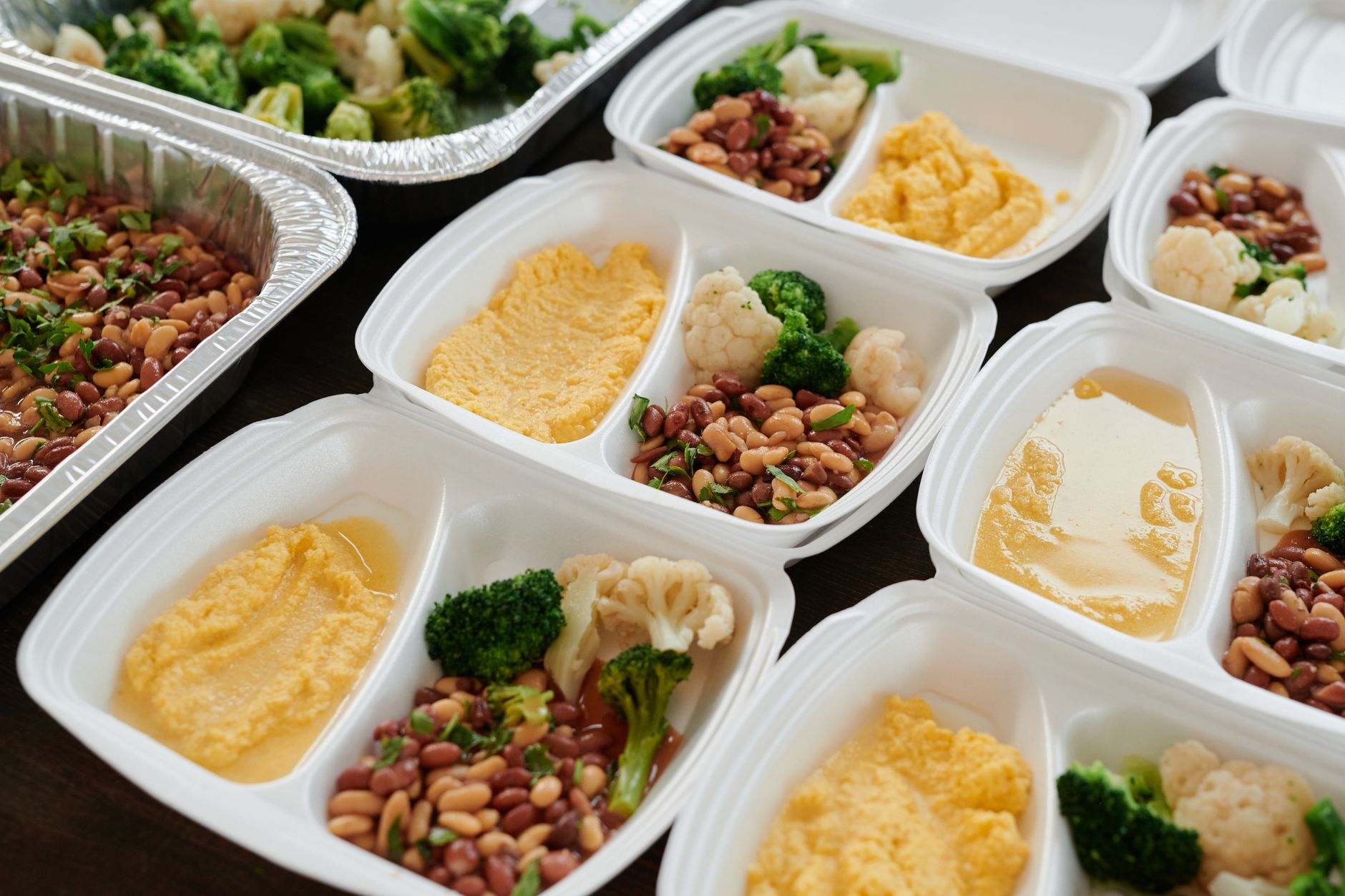
| 6 Whole Eggs | Cooked with a tablespoon of olive oil | |||
| 1 Cup Oats | With water or unsweetened almond milk | |||
| 1 Banana | ||||
| 1 Scoop Whey Protein | Mixed in with oats or taken separately | |||
| Meal 2: Mid-Morning Snack | ||||
| 1.5 Cups Greek Yogurt | Full fat | |||
| 1/4 Cup Almonds | Raw, unsalted | |||
| 1 Apple | ||||
| Meal 3: Lunch | ||||
| 8 oz Chicken Breast | Grilled or baked, seasoned as you like | |||
| 1.5 Cups Brown Rice | Cooked | |||
| 1 Cup Mixed Veggies | Broccoli, spinach, bell peppers, etc. | |||
| 1 Tablespoon Avocado Oil | For dressing or cooking | |||
| Meal 4: Pre-Workout (if needed) | (Consume 60-90 mins before training) | |||
| 1 Scoop Whey Protein | ||||
| 1 Rice Cake | With a tablespoon of peanut butter | |||
| Meal 5: Post-Workout | (Consume within 60 mins of training) | |||
| 2 Scoops Whey Protein | With 12-16 oz water or milk | |||
| 1 Large Banana | ||||
| Meal 6: Dinner | ||||
| 8 oz Lean Beef (e.g., Sirloin) | Grilled or pan-seared | |||
| 1.5 Cups Sweet Potato | Baked or roasted | |||
| 1 Cup Green Beans | Steamed or roasted | |||
| Meal 7: Before Bed Snack | ||||
| 1 Cup Cottage Cheese | Full fat | |||
| 1/4 Cup Walnuts |
This is the blueprint. The what to eat to gain lean muscle is here. It’s about consistency. It’s about hitting these numbers daily. If you’re training hard, you can handle this volume. You need to.
How to Track Your Progress
This isn’t just about following a plan; it’s about seeing if the plan is working for you. We’re not talking about obsessing over the scale every damn hour. But you need to be tracking. Weigh yourself first thing in the morning, after you’ve pissed, before you’ve eaten or drank anything. Do this once a week. Aim for a gain of 0.5 to 1 pound per week. If you’re gaining faster than that, you’re likely putting on too much fat. If you’re not gaining at all, you’re not eating enough. Simple as that.
Take progress photos every four weeks. Front, side, and back. Look at your physique. Are your muscles filling out? Is your waistline creeping up too fast? This is your feedback loop. Combine the scale, the photos, and how your clothes fit. This is how you know if your bulking meal plan is on point. Don’t rely on feelings. Rely on data. The iron doesn’t lie, and neither does your body fat percentage if you’re honest.
What If I’m Still Not Gaining?
Related reading: Bulking vs Cutting for Serious Lifters: How to Do Both Right and When to Switch in 2026
If you’ve been hitting this plan hard for two weeks and the scale hasn’t budged, it’s time to increase your intake. Don’t suddenly double everything. Start with small, strategic additions. Add another 200-300 calories. Where? An extra tablespoon of peanut butter to your yogurt. Another ounce of chicken or beef at lunch or dinner. A small handful of nuts as an extra snack. Maybe an extra slice of whole-wheat bread with your eggs. Gradually increase your portion sizes. Don’t go for sugary cereals or pastries. That’s how you gain fat, not muscle.
The key is to add quality calories. If you’re struggling to eat more, consider liquid calories. Smoothies can be your best friend. Blend whey protein, oats, banana, milk, and some healthy fats like almond butter or flaxseed oil. This packs a serious calorie punch without making you feel overly full. We’ve had guys who swore they ate everything, only to find out they were just slightly under their maintenance. A little nudge in the right direction is usually all it takes. Don’t be afraid to experiment, but do it intelligently.
Why Are Carbs and Fats So Important?
Bro-science tells you to fear carbs and fats when you’re bulking. That’s garbage. Carbs are your primary energy source. Without sufficient carbs, your workouts suffer. You’ll feel sluggish, your strength will plummet, and your body won’t have the energy to fuel muscle protein synthesis effectively. Think of carbs as the gasoline for your engine. You can’t run a race car on fumes.
Fats are crucial for hormone production, including testosterone, which is vital for muscle growth. They also help with nutrient absorption and provide a dense source of calories. Trying to bulk on a super low-fat diet is a recipe for hormonal imbalance and stunted growth. We’re not saying drown yourself in grease, but don’t be afraid of healthy fats from sources like avocados, nuts, seeds, olive oil, and fatty fish. This isn’t about “dirty bulking” on junk food. It’s about strategically incorporating all macronutrients to support maximal muscle gain and recovery.
Common Mistakes That Kill Your Bulk
Let’s talk about the mistakes we see every single day. The first is under-eating. I can’t stress this enough. Most guys think they eat a lot. They don’t. They mistake a large meal once a day for consistent caloric intake. You need fuel throughout the day. Second is inconsistent eating. You can’t have a perfect meal plan Monday through Friday and then eat like a bird on the weekend. Your body doesn’t take days off.
Third is focusing too much on “clean” eating. While quality is key, if you’re a hard gainer, you might need to slightly bend the rules. That doesn’t mean a pizza every night, but a couple of extra hundred calories from slightly less “perfect” sources won’t derail you if your overall intake is high enough. Fourth is not tracking. If you’re not tracking your intake and your progress, you’re flying blind. You won’t know what’s working and what’s not. Finally, ego lifting. This isn’t about your diet, but it bleeds into everything. If you’re so focused on lifting heavy with bad form that you can’t recover, your diet is irrelevant. Eat to recover and grow.
Gear I Use
When it comes to fueling, precision matters. A good food scale is your best friend. It removes the guesswork. Measuring your oats, your chicken, your rice – it ensures you’re hitting your macros consistently. Don’t guess. Weigh. It’s a small investment that pays huge dividends in muscle gained.
FAQ
What is the most important macronutrient for muscle gain during a bulk? Protein is king. You need enough protein to repair and rebuild muscle tissue broken down during training. Aim for at least 1 gram per pound of bodyweight daily.
How many calories should I eat to bulk without gaining fat? Start by calculating your Total Daily Energy Expenditure (TDEE) and add 250-500 calories. This surplus fuels muscle growth while minimizing excessive fat gain. Monitor your progress and adjust as needed.
Should I count calories or macros when bulking? Both are valuable. Counting calories ensures you’re in a surplus. Counting macros ensures you’re getting the right balance of protein, carbs, and fats to support muscle growth and recovery.
Is it okay to have cheat meals during a bulk? Occasional cheat meals can be mentally beneficial, but don’t make them a habit. Too many high-calorie, low-nutrient meals will lead to excessive fat gain, negating your hard work. Stick to your plan 90% of the time.
How long should I follow a bulking meal plan? Follow a bulking meal plan until you’ve reached your target muscle gain goals or have gained an undesirable amount of body fat. Then, transition to a cutting phase or a maintenance phase.
This isn’t about being perfect. It’s about being consistent. You’ve read the blueprint for your bulking meal plan. Now it’s time to execute. Stop making excuses. Stop listening to the BS. This is the path to adding serious size. Go to the grocery store. Buy the damn food. Measure it out. Eat it. Do it again tomorrow. Your body is waiting.
Related Articles
- Best Zinc Supplement 2026: Top 5 for Testosterone and Immunity
- Best Ab Rollers 2026: Top 5 for Core Strength
- How Much Protein Do You Actually Need Per Day to Build Muscle for Serious Lifters 2026
- Best Battle Ropes 2026: Top 4 for Home Gyms and HIIT
Where to Buy


💬 Join the Conversation
Have thoughts on this article? We'd love to hear from you.