When you purchase through links on our site, we may earn an affiliate commission. How it works.
- Split: Full body, 3 times per week.
- Rep Scheme: Aim for the higher end of the rep range.
- Focus: Compound movements, progressive overload.
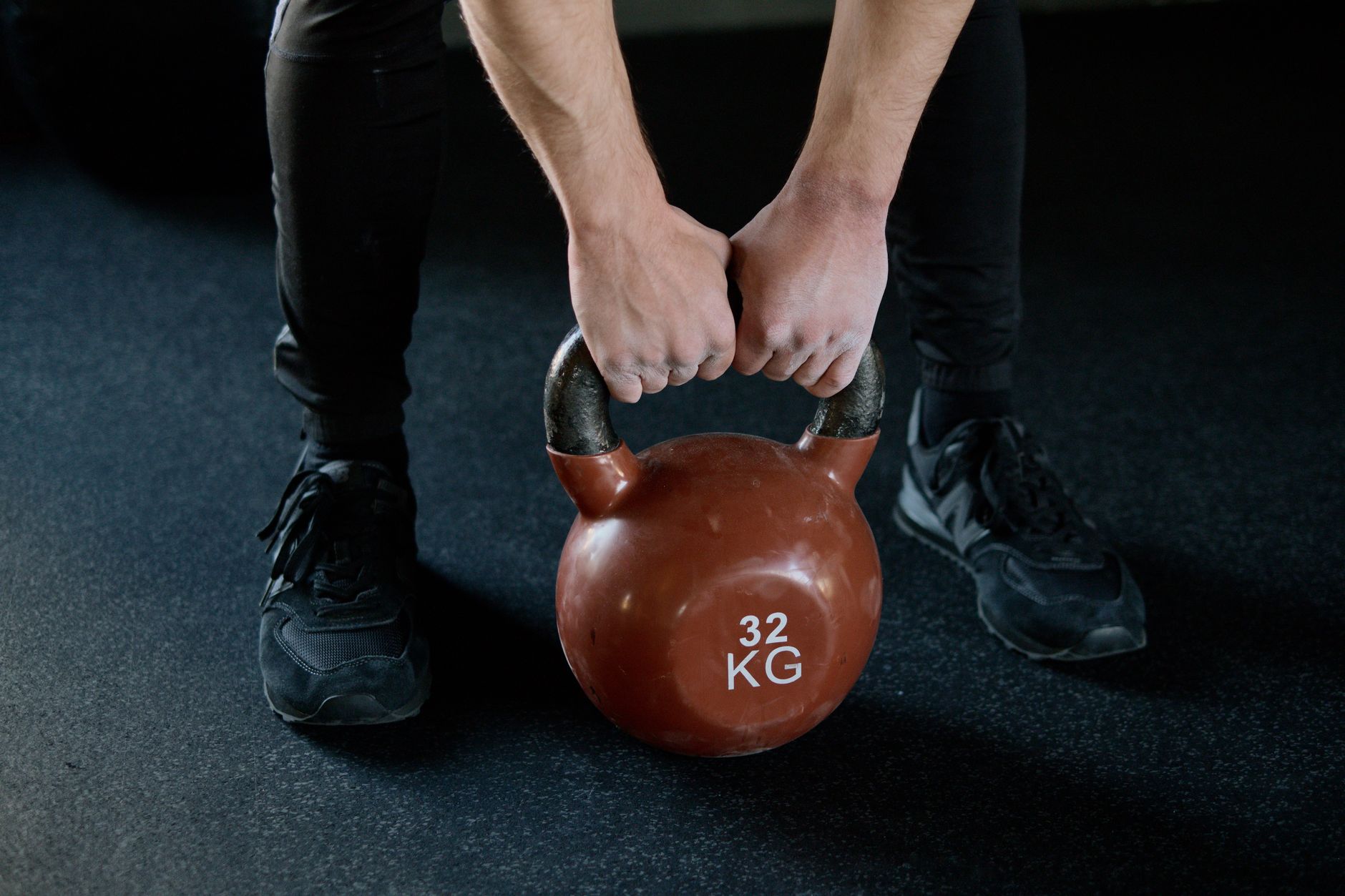
The year I stopped skipping full-body kettlebell workout sessions, my strength exploded. I’d been chasing gains in some sterile gym, surrounded by machines and bros doing curls for the girls. Total waste of time. I was on isolation work, chasing pump, and ego lifting my way to plateaus. Then I discovered the raw power of the single kettlebell. This isn’t about fancy gadgets or magic pills. This is about putting in the damn work with a tool that demands your full attention. If you’re serious about adding plates to your bar or just getting stronger and more capable, ditch the bullshit and focus on the iron. This program is built for anyone who wants to get stronger without a gym membership. It’s simple, effective, and it works.
Why Does a Single Kettlebell Work?
This isn’t bro-science. This is physics and physiology. A single kettlebell training program forces you to work unilaterally – meaning one side of your body at a time. This builds serious core strength and teaches your body to resist rotation and stabilize. Think about it: when you swing a kettlebell, your entire posterior chain fires up. When you press it overhead, your shoulders, traps, and triceps have to work overtime. Every kettlebell workout full body session I’ve run, or seen run effectively, leverages this. It’s about compound movements. We’re not wasting time on bicep curls when we can do a kettlebell clean and press. We’re not doing leg extensions when we can do goblet squats. It’s about efficiency. You’re hitting multiple muscle groups simultaneously, which is the fastest way to build a strong, functional physique. The ballistic nature of many kettlebell movements also builds power and conditioning. You’re not just getting bigger; you’re getting faster and tougher.
The Minimalist Trainer Kettlebell Program
Related reading: 4-Day Upper Lower Split: The Complete Workout Plan for Strength & Size
This is the work. No fluff, no excuses. This is a blueprint for building a kettlebell workout full body routine that you can do anywhere. Focus on quality reps. If you can’t do the reps with good form, the weight is too heavy. That’s it. Stop ego lifting.
| Exercise | Sets | Reps | Rest (seconds) |
|---|---|---|---|
| Kettlebell Swing (Two-Handed) | 5 | 10-15 | 60-90 |
| Goblet Squat | 4 | 8-12 | 90 |
| Single-Arm Kettlebell Row | 4 | 8-12 (each side) | 90 |
| Kettlebell Clean & Press | 4 | 5-8 (each side) | 90 |
| Kettlebell Romanian Deadlift | 3 | 10-15 | 60 |
| Kettlebell Farmer’s Walk | 3 | 30-45 sec | 60 |
Tempo: For most exercises, control the eccentric (lowering) phase. Don’t just let the weight drop. For swings, it’s a hip hinge, not a squat. For goblet squats, descend under control, feeling the stretch in your glutes and hamstrings. For rows, squeeze your back at the top. For cleans and presses, be explosive but controlled. For RDLs, feel the stretch in your hamstrings. Farmer’s walks are about bracing and moving.
Frequency: Perform this single kettlebell training program 3 times per week, with at least one rest day in between. For example, Monday, Wednesday, Friday.
How Do I Progress?
This is where most people screw up. They get comfortable. They stick with the same weight, same reps, and wonder why they’re not getting stronger. That’s lazy. Progressive overload is the engine of muscle growth and strength.
Here’s how we do it:
- Increase Reps: Once you can comfortably hit the top end of the rep range for all sets with good form, add 1-2 reps per set the next time you do that exercise. For example, if you did 12 reps on goblet squats, aim for 13 or 14 next session.
- Increase Weight: When adding more reps becomes a grind, it’s time to increase the kettlebell weight. If you’re doing 15 reps on swings, and it feels like a slog, grab a heavier bell for your next session. Don’t be afraid to use a heavier kettlebell. In our experience, people underestimate how much weight they can handle when they focus on technique.
- Decrease Rest: As you get stronger, you can gradually reduce the rest periods between sets. Start by shaving 10-15 seconds off your rest. This builds work capacity and can be a good way to increase intensity without changing weight or reps.
- Improve Form: This is often overlooked. As you get stronger, you can refine your technique. Better form means more tension on the target muscles and less wasted energy. This is a form of progression too.
When you hit a wall, and you’ll, don’t panic. Take a deload week. Reduce the weight by 30-40% and focus on perfect form for fewer sets and reps. Then come back and attack it again.
What are the Key Form Cues?
Related reading: Beginner Workout Plan: 3-Day Full-Body Program with 8-Week Progression
Nailing form prevents injuries and ensures you’re actually working the right muscles. This is not the time to be a hero.
- Kettlebell Swing (Two-Handed): This is a hip hinge, not a squat. Think of snapping your hips forward and squeezing your glutes hard at the top. The kettlebell should float to chest height, not be pressed or guided up with your arms. Keep your core braced like you’re about to get punched. The power comes from your hips.
- Goblet Squat: Hold the kettlebell at your chest. Feet shoulder-width apart, toes slightly out. Descend by pushing your hips back and down, keeping your chest up and your back straight. Go as deep as you can with good form. Drive up through your heels. Don’t let your knees cave inward. If your knees are beat up, consider some knee sleeves.
- Single-Arm Kettlebell Row: Hinge at your hips, back straight, one hand on a bench or stable surface for support. Let the kettlebell hang down. Pull it towards your hip, squeezing your shoulder blade at the top. Control the descent. Don’t let your torso twist excessively.
- Kettlebell Clean & Press: This is a full-body movement. Start with the kettlebell on the floor. Hike it back between your legs like a football. Explode up with your hips and stand tall, bringing the kettlebell to your shoulder in one fluid motion. From the rack position, press the kettlebell overhead with a controlled dip and drive. Lower it with control. This takes practice. My only gripe is it can feel clunky at first, but stick with it.
- Kettlebell Romanian Deadlift (RDL): Hold the kettlebell in front of your thighs. With a slight bend in your knees, hinge at your hips, lowering the kettlebell down your shins. Keep your back straight and feel a deep stretch in your hamstrings. Squeeze your glutes to pull yourself back up to a standing position. Don’t round your back.
- Kettlebell Farmer’s Walk: Hold a kettlebell in each hand (if you have two, or one if you’re just starting with a single kettlebell training program). Stand tall, shoulders back, core braced. Walk for the prescribed time or distance. This builds grip strength, core stability, and overall toughness.
Common Mistakes:
- Squatting the Swing: You’re using your arms and legs to lift the bell, not your hips. This is inefficient and dangerous.
- Half-Repping: Not going through the full range of motion. You’re cheating yourself.
- Ego Lifting: Using a weight too heavy for good form. This leads to injury and slow progress.
- Ignoring the Core: Letting your midsection sag during any of these movements. Your core is your foundation.
- Not Breathing: Holding your breath. Breathe out on exertion.
Is a Single Kettlebell Enough for Muscle Growth?
Yes. If you’re smart about it. The key is progressive overload. As your strength increases, you need to challenge your muscles more. This can mean getting a heavier kettlebell, doing more reps, or reducing rest times. A single, heavy kettlebell can be incredibly taxing. Don’t underestimate the stimulus a good kettlebell workout full body session provides. We’ve packed on significant size and strength using just a few well-chosen kettlebells.
How Often Should I Do This Kettlebell Workout Full Body Routine?
For optimal results and recovery, perform this full-body kettlebell workout 3 times per week. This allows for sufficient stimulus for growth and adequate rest to repair and rebuild muscle tissue. Spacing your workouts out, like Monday-Wednesday-Friday, is ideal. It ensures you’re not overtraining and allows you to perform each session with maximum intensity and focus.
What are the Best Kettlebell Exercises for Beginners?
The Kettlebell Swing and the Goblet Squat are your foundational movements. Focus on mastering the hip hinge for the swing and the proper squat depth and upright torso for the goblet squat. Once those are solid, introduce the Kettlebell Clean & Press and the Single-Arm Row. Start with lighter weights and prioritize form above all else. Don’t rush into the more complex movements until you’ve built a solid base.
Why is Grip Strength So Important in Kettlebell Training?
Your grip is the gateway to your entire body. If your grip fails, the rest of your workout suffers. In single kettlebell training program design, especially with dynamic movements like swings and cleans, your grip is constantly tested. Stronger grip means you can hold onto the bell longer, allowing for more reps and heavier loads. This translates to better performance on all exercises.
How Can I Make This Kettlebell Workout Full Body Routine More Challenging?
Once you’ve mastered the basic reps and sets, you can increase the challenge. Try increasing the weight of your kettlebell. You can also increase the number of reps or sets, or decrease the rest times between exercises. Adding circuits, where you perform exercises back-to-back with minimal rest, can significantly boost intensity and conditioning. Advanced techniques like complexes (multiple exercises with one kettlebell without setting it down) can also be incorporated, but master the basics first.
What Kind of Kettlebell Should I Buy?
For a full-body kettlebell workout, starting with a single, versatile weight is often best. For men, a 16kg (35lb) or 24kg (53lb) is a good starting point. For women, 8kg (18lb) or 12kg (26lb) is common. As you get stronger, you’ll want a collection. Look for cast iron kettlebells. They’re durable and the size stays consistent as the weight increases, unlike some competition-style bells. Investing in a good, solid kettlebell is an investment in your strength.
This isn’t about having the fanciest setup. It’s about commitment. This kettlebell workout full body routine is designed to strip away the excuses and focus on what truly builds strength: consistent, hard work. If you’re serious about getting bigger, stronger, and more resilient, you need to embrace the simplicity and brutal effectiveness of the kettlebell. Stop thinking about it. Grab your bell. Today, you’re going to do your first set of swings, your first goblet squat, and you’re going to feel the difference. No more waiting. The work starts now.
Related Articles
- How Much Protein Do You Actually Need Per Day to Build Muscle for Serious Lifters 2026
- Bulking vs Cutting for Serious Lifters: How to Do Both Right and When to Switch in 2026
- How to Build a Push Day Workout for Serious Lifters: Exercises, Sets, & Reps (2026)
- HIIT vs Steady State Cardio: Which Burns More Fat and When to Use Each
Where to Buy


💬 Join the Conversation
Have thoughts on this article? We'd love to hear from you.