When you purchase through links on our site, we may earn an affiliate commission. How it works.
- The split: Hit your back and biceps hard, twice a week if possible.
- The reps: Focus on the 6-10 range for strength and hypertrophy.
- The fix: Ditch the ego and focus on quality reps, not just moving weight.
Introduction
The year I stopped skipping my pull day workout was the year my entire upper body started to grow. Not just my back, though that was the obvious win. My shoulders got wider, my arms looked thicker, and even my deadlift started to move. For too long, I treated pull day like an afterthought, a collection of random exercises thrown together because the program said so. That’s bro-science. It’s ego lifting disguised as effort. You’re not going to build a back that commands respect by half-assing it. You need a plan. A brutal, effective plan that targets every fiber and leaves you wanting to puke. This is that plan. We’re talking about hitting your lats, traps, rhomboids, rear delts, and biceps with the kind of intensity that forces adaptation. No bullshit, just iron and intelligent programming. If you’re serious about adding plates and putting on serious mass, read this.
Why It Works
Related reading: 4-Day Upper Lower Split: The Complete Workout Plan for Strength & Size
This isn’t about magic. It’s about mechanics and overload. A proper pull day workout works because it leverages the power of compound movements to build a solid foundation of strength and muscle. Think deadlifts, rows, and pull-ups. These exercises recruit multiple muscle groups simultaneously, allowing you to move serious weight and stimulate significant growth. After we’ve established that base with heavy, multi-joint work, we move to isolation exercises to further target specific muscle groups, like the biceps and rear delts. This one-two punch ensures you’re not only getting strong but also developing a well-rounded physique. The rep ranges we’re talking about – primarily in the 6-10 zone – are optimal for both strength and hypertrophy. This range allows you to lift heavy enough to challenge your nervous system and muscle fibers for strength gains, while also accumulating enough volume to trigger muscle protein synthesis for growth. It’s a classic, proven strategy. No need for fancy new theories or miracle supplements.
The Program / The Technique
Here’s the work. This is what we run. It’s not fancy, but it’s effective. We focus on quality over quantity. Every rep counts. If you’re not feeling it, you’re doing it wrong.
| Exercise | Sets | Reps | Rest (or Tempo) |
|---|---|---|---|
| Conventional Deadlift | 3 | 5 | 120-180 seconds |
| Weighted Pull-ups | 4 | 6-8 | 90-120 seconds |
| Barbell Rows | 4 | 8-10 | 90 seconds |
| Seated Cable Rows | 3 | 10-12 | 75 seconds |
| Face Pulls | 3 | 12-15 | 60 seconds |
| Dumbbell Hammer Curls | 3 | 10-12 | 60 seconds |
| Incline Dumbbell Curls | 3 | 10-12 | 60 seconds |
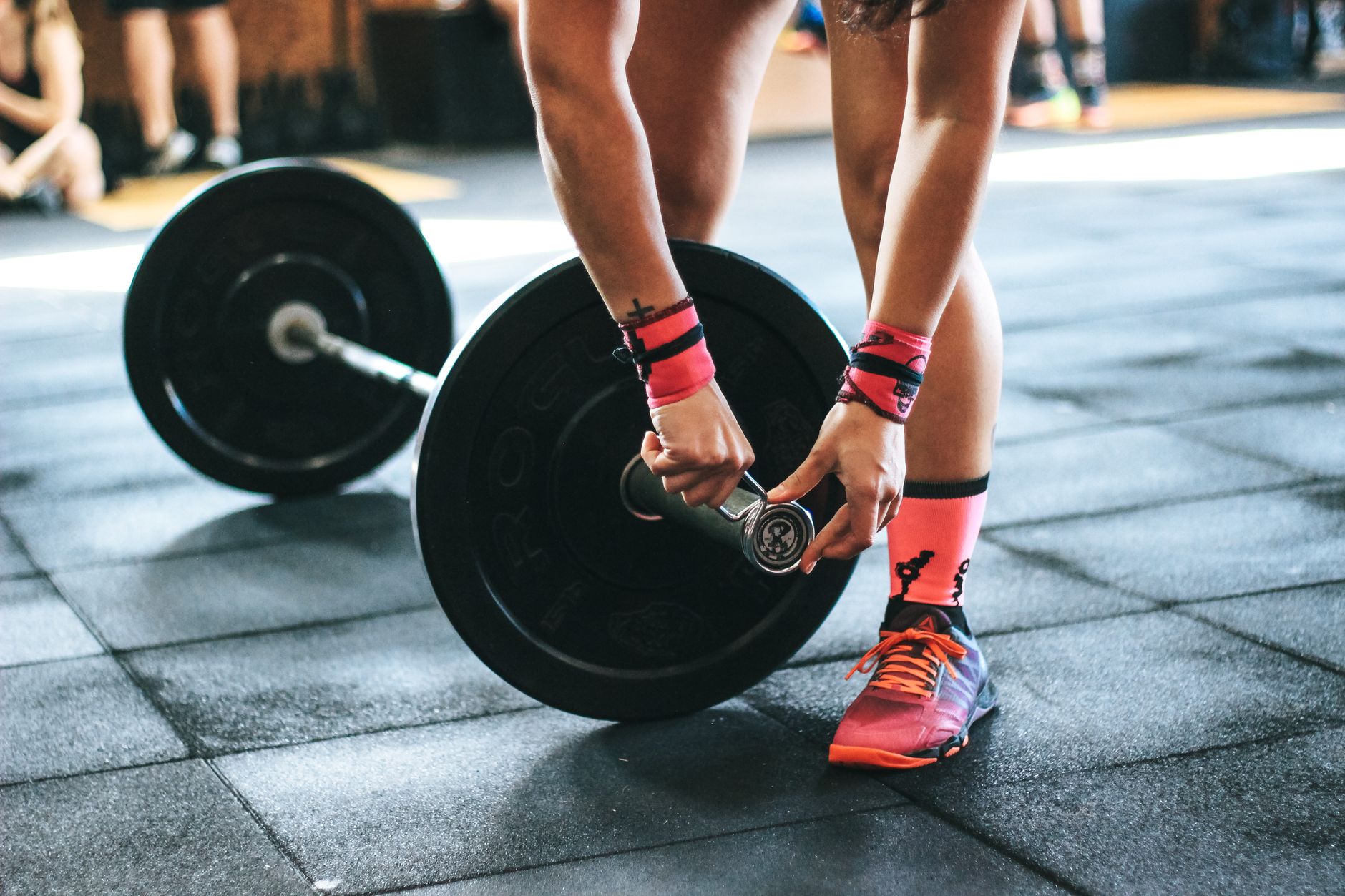
Let’s break down the deadlift first. This is your foundation. We’re not doing 15 reps here. We’re doing 5. Heavy. The goal is strength. Get under the bar, set your back rock solid, and pull. Feel the weight on your feet. Drive through your heels. If your form breaks down on rep 3, the weight is too heavy. Simple. We’re building strength for the pull, not setting a deadlift PR every single week. That comes later.
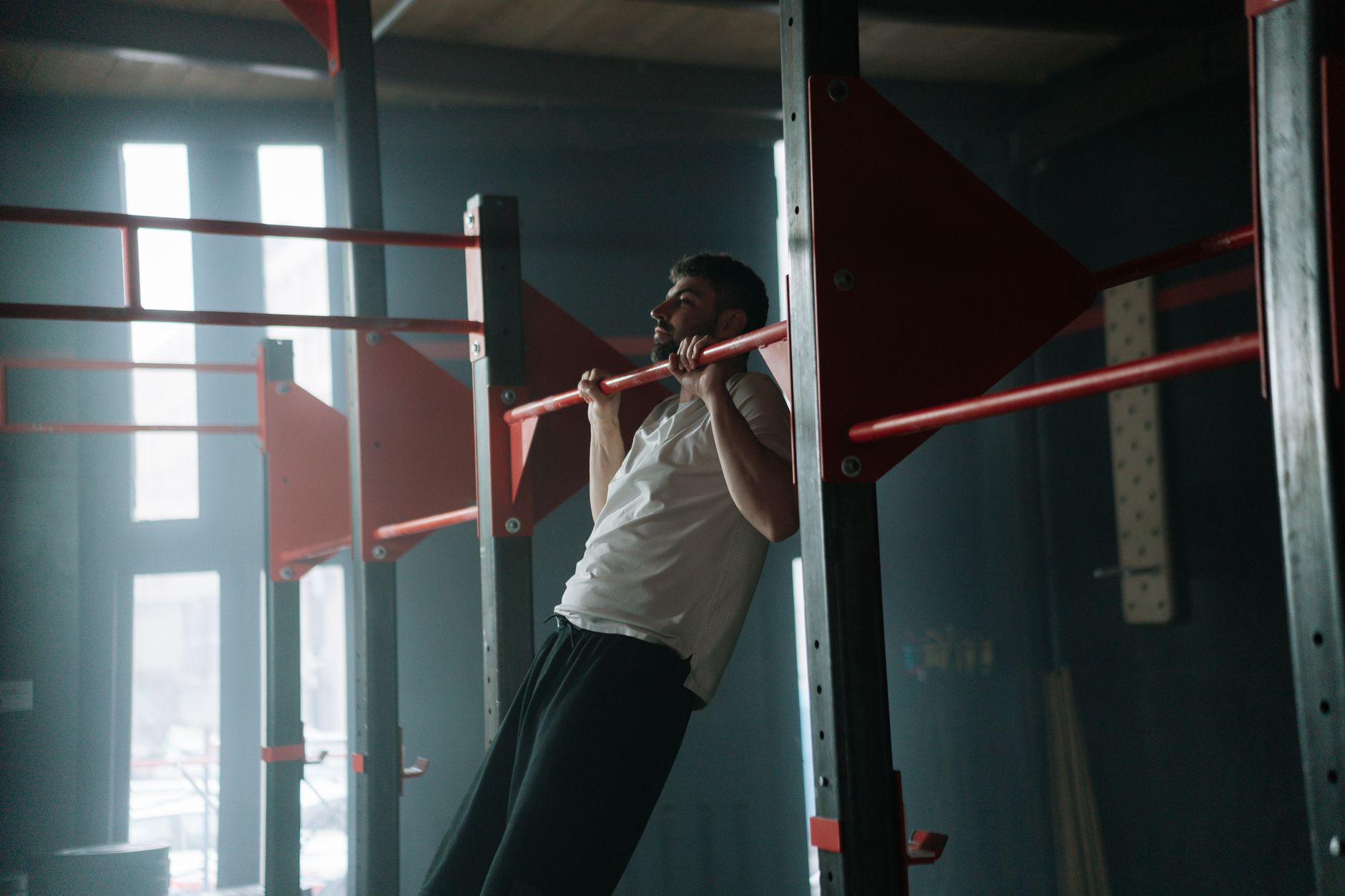
Weighted pull-ups are king for upper back width. If you can’t do 6-8 clean reps with weight, use an assisted pull-up machine or resistance bands until you can. Don’t just hang there. Initiate the pull with your lats. Think about pulling your elbows down and back. Squeeze at the top. Control the eccentric. No jerky movements. If you’re just trying to get your body weight up, you’re leaving gains on the table. Adding plates to your belt is a game-changer.
Barbell rows are where we build thickness. Get a good hip hinge. Keep your back flat. Pull the bar to your lower chest or upper abs. Squeeze your rhomboids at the top. Don’t just yank. This is where ego lifting kills progress. You see guys using 225 for 10 reps with their back rounding like a question mark. That’s not a row, that’s a back injury waiting to happen. Focus on feeling the muscles work.
Seated cable rows are for more targeted contraction. We’re focusing on the mid-back here. Get a full stretch at the bottom, then pull the handle to your sternum. Again, squeeze at the peak contraction. Think about pinching your shoulder blades together. Tempo is important here. Don’t let the weight slam back. Control it.
Face pulls are crucial for rear delt health and shoulder prehab. They also hit the upper traps and external rotators. Use a rope attachment. Pull the rope towards your face, aiming your hands towards your ears. Spread the rope at the end. Focus on the squeeze. This isn’t a heavy set; it’s about control and muscle activation.
Finally, biceps. We’re hitting them with two exercises. Hammer curls for overall arm thickness and brachialis. Incline dumbbell curls for peak contraction and stretch on the long head. For both, control the weight. No swinging. No momentum. Feel the bicep contract. Hold the peak contraction for a second. Let the weight stretch you out on the way down. Don’t let the ego dictate the weight here. You’re not going to impress anyone with a sloppy 50lb dumbbell curl that looks like a full-body workout.
Progression
Related reading: Beginner Workout Plan: 3-Day Full-Body Program with 8-Week Progression
This is where most people fail. They do the same weights for weeks, then wonder why they aren’t getting bigger or stronger. That’s not how muscle works. You need to progressively overload the damn thing.
Here’s how we do it:
- Increase weight: Once you hit the top end of the rep range for all sets on an exercise with good form, increase the weight by the smallest increment possible the next time you do that exercise. For deadlifts, this might be 5 lbs. For rows, it might be 2.5 lbs.
- Increase reps: If you can’t increase the weight, try to get one more rep on one or more of your sets. If you did 3 sets of 8 reps last week, aim for 3 sets of 9 this week. Keep pushing for that extra rep until you hit the top of the rep range, then increase the weight.
- Improve form/tempo: Sometimes, progression isn’t about adding weight or reps. It’s about doing the same weight for the same reps, but with better control, a deeper contraction, or a slower eccentric. This is still progress. It’s building a stronger mind-muscle connection and a more resilient body.
Don’t be afraid to deload when you need to. If you’re feeling beat up, run a week of lighter weights and fewer sets to let your body recover. This isn’t a sign of weakness; it’s a sign of intelligence.
Form Cues & Common Mistakes
Let’s talk about what matters. Form isn’t optional. It’s the difference between progress and a trip to the physical therapist.
-
Deadlifts:
-
Nail it: Flat back is non-negotiable. Chest up. Shoulders pulled back and down. Drive your feet through the floor. Think about pushing the floor away.
-
Mistake: Rounding your lower back. This is how you herniate a disc. If your back rounds, the weight is too heavy. Stop the set.
-
Mistake: Jerking the weight off the floor. The first pull should be slow and controlled, setting the tension.
-
Weighted Pull-ups:
-
Nail it: Full range of motion. Start from a dead hang. Pull your chest to the bar. Squeeze your lats hard at the top. Control the descent.
-
Mistake: Kipping. This isn’t CrossFit. This is building serious back strength. If you’re kipping, you’re not using your back effectively.
-
Mistake: Not going low enough. You need to get your chin over the bar. If you can’t, you’re not getting the full lat stretch.
-
Barbell Rows:
-
Nail it: Solid hip hinge. Your back should be almost parallel to the floor. Pull the bar to your sternum. Squeeze your shoulder blades together.
-
Mistake: Using too much momentum/ego. Guys swinging the bar up with their entire body are just doing a half-assed deadlift variation. Focus on the squeeze.
-
Mistake: Pulling to the neck. This targets the traps too much and takes focus away from the mid-back. Pull to the chest.
-
Biceps Curls:
-
Nail it: Controlled movement. Keep your elbows tucked. Squeeze the bicep at the top. Control the eccentric phase.
-
Mistake: Swinging. If you’re using your body to get the weight up, the weight is too heavy. It’s that simple.
-
Mistake: Not getting a full stretch. On the incline curls especially, let the weight stretch your bicep at the bottom. Don’t just stop halfway.
Gear I Use
For this kind of work, especially the heavy deadlifts and weighted pull-ups, straps are a lifesaver. They allow you to push your grip strength to its limit without your forearms failing. We use these lifting straps to ensure our back and biceps get the stimulus they need, not just our grip.
FAQ
Q: How often should I do this pull day workout? A: For most serious lifters, hitting this pull day workout twice a week with at least 48-72 hours of rest in between is optimal for growth.
Q: What if I can’t do weighted pull-ups yet? A: Focus on mastering bodyweight pull-ups first. Use assisted pull-up machines or resistance bands to build the strength needed to add weight. Aim for 8-10 clean reps before adding load.
Q: Can I swap barbell rows for dumbbell rows? A: Yes, dumbbell rows are a great alternative. They allow for a slightly different range of motion and can be beneficial for addressing imbalances, but ensure you’re still using a hip hinge and pulling with your back.
Q: Is it okay to do less than 3 sets on some exercises? A: Generally, no. The sets and reps listed are designed to provide sufficient volume for growth. If you’re truly struggling with recovery, a slight reduction might be necessary, but it’s usually a sign of poor programming or recovery outside the gym.
Q: Should I be feeling my lower back on pull day? A: On deadlifts, yes, you should feel your lower back working to maintain a stable, flat position. However, you shouldn’t feel any pain or strain in your lower back during any other exercise on pull day.
Conclusion
This isn’t a suggestion; it’s a blueprint. You want a pull day workout that builds a back like a damn brick wall and arms that fill out your sleeves? You do the work. You focus on quality reps. You progressively overload. You ditch the ego and the bro-science. Today, right now, look at your current pull day workout. Does it look like this? If not, make the changes. Stop wasting time. Start building the physique you want. Get under the bar. Pull.
Related Articles
- How Much Protein Do You Actually Need Per Day to Build Muscle for Serious Lifters 2026
- Bulking vs Cutting for Serious Lifters: How to Do Both Right and When to Switch in 2026
- How to Build a Push Day Workout for Serious Lifters: Exercises, Sets, & Reps (2026)
- HIIT vs Steady State Cardio: Which Burns More Fat and When to Use Each
Where to Buy

💬 Join the Conversation
Have thoughts on this article? We'd love to hear from you.